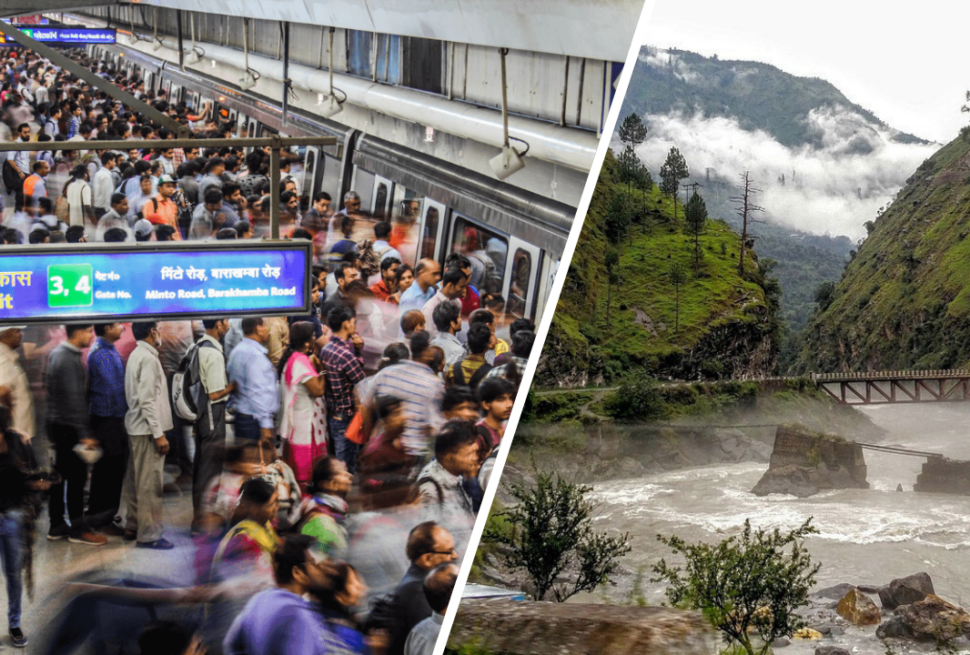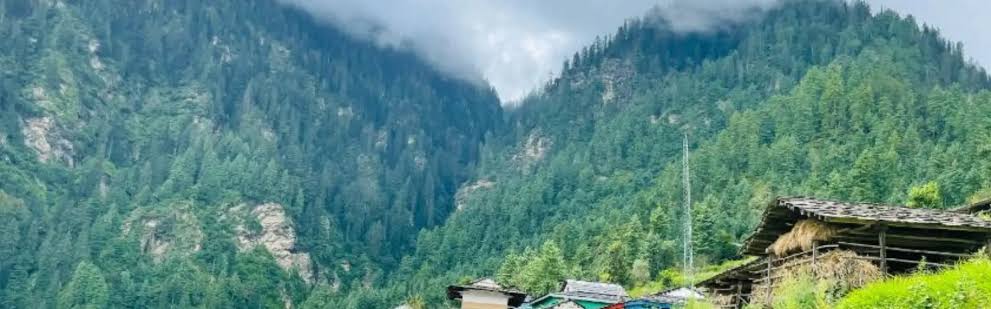
When planning a road trip through Himachal Pradesh, most travelers default to the crowded Manali or Shimla circuits. But if you want to experience the true biodiversity and raw elevation of the Himalayas, combining Tirthan Valley, Jibhi, and Kinnaur into a single trip is the better route.
In our field testing of high-altitude Himalayan routes, we’ve found that this specific sequence offers a natural altitude acclimatization curve. You start at the moderate elevations of Kullu District (Tirthan/Jibhi) and gradually ascend via the Hindustan-Tibet Road (NH-22) into the trans-Himalayan desert borders of Kinnaur.
This guide outlines exactly how to structure your Tirthan, Kinnaur, and Jibhi trips based on verified terrain data, road conditions, and official government guidelines.
Key Takeaways
- Ideal Duration: 8 to 10 days to comfortably manage driving fatigue and acclimatization.
- Altitude Progression: Start in Jibhi (1,600m), move to Tirthan (1,600m), and peak in Kinnaur (up to 3,000m+ in Kalpa/Nako).
- Biodiversity Hotspot: Tirthan Valley serves as the gateway to the Great Himalayan National Park (GHNP), recognized by UNESCO for its 832 plant species and rare wildlife.
- Permit Requirements: While Indian nationals can travel freely through most of Kinnaur, foreign nationals require Protected Area Permits (PAP) beyond specific checkpoints.
Stage 1: Tirthan Valley and Jibhi
Before tackling the sheer drops of Kinnaur, you need a staging ground. Tirthan Valley and the neighboring hamlet of Jibhi serve this purpose perfectly.
Exploring the Great Himalayan National Park (GHNP)
Tirthan Valley is synonymous with the Great Himalayan National Park. Spanning 1,171 square kilometers, this area lacks paved roads or commercial trails inside its core zone. It was declared a Natural World Heritage Site by UNESCO in June 2014.
What most people notice when hiking the Eco-zone trails—like the Neuli-Shangarh Loop or the hike to Tinder Village—is the dramatic shift in flora. The GHNP is classified as a “Western Himalayan Temperate Forest” and acts as a global biodiversity hotspot protecting over 31 mammal species, including the elusive Snow Leopard and Himalayan Brown Bear.
Practitioner Advice for Jibhi/Tirthan:
- Trout Fishing: Tirthan is famous for its brown and rainbow trout. You must obtain a daily permit from the local fisheries department to cast a line.
- Accommodation: The Himachal Pradesh Tourism Development Corporation (HPTDC) and local operators focus on low-impact tourism here. The ecosystem relies heavily on eco-homestays and wooden chalets rather than large concrete resorts.
Stage 2: Navigating the Hindustan-Tibet Road to Kinnaur
Transitioning from Kullu District to Kinnaur District requires driving the NH-22, famously known as the Hindustan-Tibet Road. This route cuts through deep gorges carved by the Sutlej River.
In our experience driving this stretch, the terrain changes dramatically just past Rampur Bushahr. The lush green mountains of Kullu fall away, replaced by the barren, rocky precipices of the Kinnaur Valley.
Must-Visit Zones in Kinnaur
1. Kalpa and Reckong Peo
Reckong Peo serves as the district headquarters. From here, you ascend to Kalpa. Kothi (also known as Koshtampi), a village located between Reckong Peo and Kalpa, features apple and apricot orchards set against the imposing backdrop of the Mount Kinner Kailash range.
2. Sangla Valley (Baspa Valley)
The Baspa River feeds this valley. It is known for its dense pine forests and the Bering Nag Temple, famous for its Pagoda-style architecture. If you visit in September, you can witness the Fulaich fair, which attracts devotees from across the state.
3. Moorang and Nichar
For travelers who prefer isolation, Nichar sits at an altitude of 2,150 meters and offers natural habitats for wildlife like ghoral and Himalayan black bears. Moorang, located on the banks of the Sutlej River, hosts a fort believed to date back to the Mahabharata era.
Real-World Nuances & Logistics
Traveling in high-altitude environments carries inherent risks. Here is how to plan safely based on official infrastructure data.
Medical Facilities and Altitude Sickness
Kinnaur is remote, and the tough terrain limits large-scale medical infrastructure. While basic government-run healthcare centers exist, any serious medical emergency requires transport to the regional hospitals in Reckong Peo, Rampur Bushair, or all the way back to Shimla. There is also an Ayurvedic hospital in Reckong Peo for traditional treatments. Pack a comprehensive first-aid kit and consult a physician about altitude sickness medications before you travel.
Dining & Diet
Do not expect fine dining. The regional cuisine is frugal and designed for harsh winters. Expect basic dhabas serving North Indian food alongside Tibetan-influenced dishes made from buckwheat, millet, and barley. Thukpa (a fiery noodle soup) and butter tea (known locally as Thang) are staples that provide essential energy in the cold.
Destination Comparison: Tirthan/Jibhi vs. Kinnaur
| Feature | Tirthan Valley & Jibhi | Kinnaur (Kalpa, Sangla, Nako) |
| Primary Landscape | Lush, green temperate forests, alpine meadows. | Rugged, rocky gorges, trans-Himalayan desert. |
| Altitude Range | 1,500m to 2,000m | 2,000m to 3,600m+ |
| Road Conditions | Mostly paved, narrow village roads. | NH-22; extreme drop-offs, landslide-prone zones. |
| Key Attraction | Great Himalayan National Park (UNESCO). | Kinner Kailash, Baspa Valley, Tibetan borders. |
Frequently Asked Questions (FAQ)
Q: How many days do I need for a combined Tirthan, Jibhi, and Kinnaur trip?
A: You need a minimum of 8 to 10 days. Spend 3 days in the Tirthan/Jibhi region for acclimatization and exploration, followed by 5 to 7 days driving through Kinnaur (Sangla, Chitkul, Kalpa).
Q: Do I need a permit to visit Kinnaur?
A: Indian citizens do not need permits to visit standard tourist areas like Sangla, Chitkul, and Kalpa. However, foreign nationals must obtain a Protected Area Permit (PAP) from the District Magistrate to travel on the route from Reckong Peo towards Spiti.
Q: Is it safe to drive to Kinnaur during the monsoon?
A: Driving the Hindustan-Tibet Road (NH-22) during July and August is highly discouraged. The region is prone to severe landslides, rockfalls, and flash floods that routinely sever road connectivity.
Q: What is the best time to visit Tirthan Valley and Kinnaur?
A: The optimal windows are late April to June for pleasant weather and blooming orchards, and mid-September to early November for clear skies and autumn foliage.
References & Authoritative Sources
- Department of Tourism & Civil Aviation, Government of Himachal Pradesh: “Kinnaur Destination Guide.” Details on NH-22 routes, Kalpa, Moorang, and Reckong Peo infrastructure. (https://himachaltourism.gov.in)
- Great Himalayan National Park, UNESCO World Heritage Site: “Nature Parks / Eco Zone Trails.” Documentation on the 832 plant species and 1,171 sq. km protected area. (https://himachaltourism.gov.in/destination/nature-parks/)
- District Administration of Kinnaur: Official Government Portal. Administrative directory, emergency contacts, and regional alerts. (https://hpkinnaur.nic.in)
- Himachal Pradesh Tourism Development Corporation (HPTDC): “Accommodations and Travel Infrastructure.” Accommodation guidelines and state-run guesthouse directories. (https://hptdc.hp.gov.in)