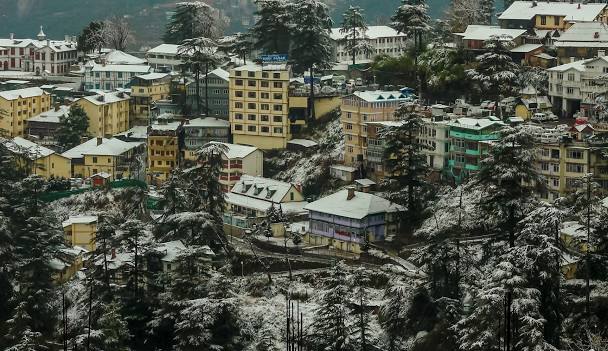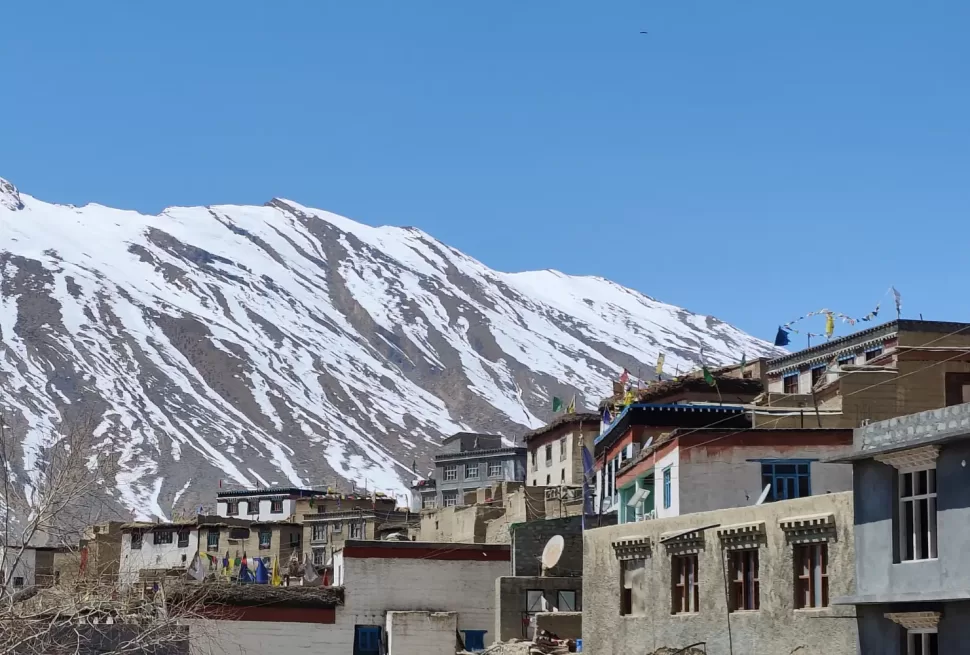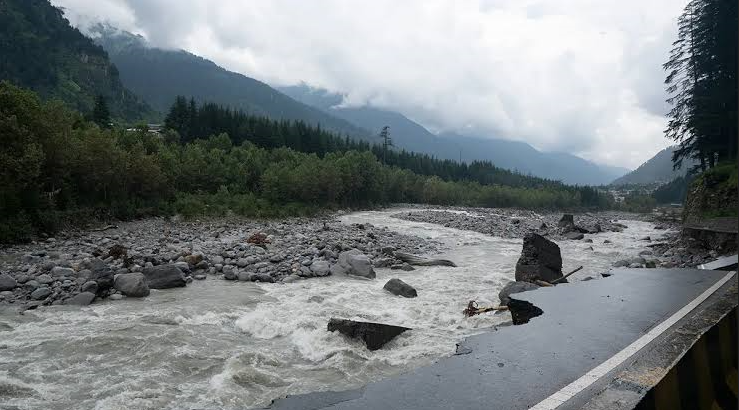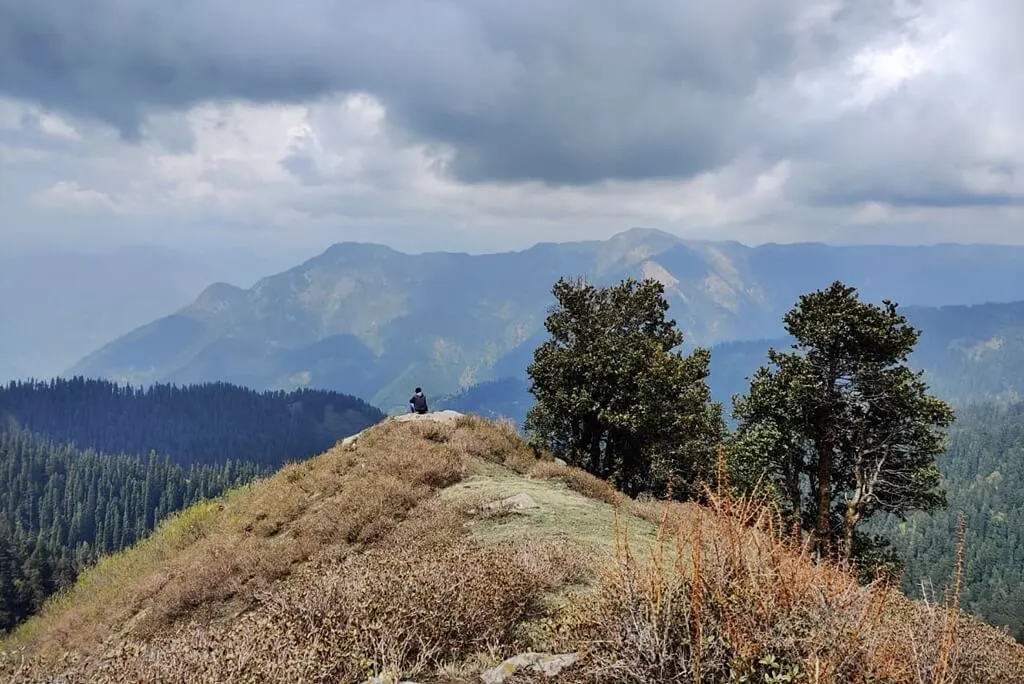
When peak season crowds overflow into popular hill stations, the true spirit of the Himalayas recedes deeper into the sanctuary of the inner valleys. Tirthan, Sainj, and Pangi represent three distinct tiers of Himachal Pradesh’s quietest landscapes—ranging from serene eco-tourism zones along alpine rivers to raw, high-altitude mountain wilderness.
Whether you want to trek through ancient western tragopan habitats in the Great Himalayan National Park, stay in traditional Kath Kuni wooden homes, or cross rugged passes into remote pockets of Chamba, this guide breaks down logistics, treks, homestays, and responsible travel practices.
📌 Key Takeaways for Off-Grid Travelers
- Tirthan Valley: Ideal for trout angling, easy-to-moderate eco-treks, and streamside village homestays.
- Sainj Valley: Famous for the vast meadows of Shangarh, traditional timber architecture, and peaceful forest walks.
- Pangi Valley: Extremely remote terrain beyond the Sach Pass (14,500 ft). Recommended only for experienced mountain travelers, high-clearance 4x4s, and self-sufficient trekkers.
- Sustainable Rule: Practice strict Leave-No-Trace principles. Support local eco-lodges and indigenous guides in sensitive conservation buffers.
1. Tirthan Valley: The Gateway to Pristine Eco-Tourism
Named after the spring-fed Tirthan River that originates high inside the Great Himalayan National Park (GHNP), this valley is an eco-tourism hub. It balances accessibility with strict conservation rules, keeping large commercial development at bay.
Key Destinations & Experiences
- Gushaini & Nagini: The main bases for homestays, riverside cafes, and angling permits. The Tirthan River is renowned for brown and rainbow trout fishing (regulated strictly under local conservation permits).
- Great Himalayan National Park Gate (Rolla Trek): A 9-km walk from the roadhead at Pekhri or Galingcha brings you to the official boundary of this UNESCO World Heritage Site.
- Choie & Serolsar Lake: Short day-hikes leading to hidden waterfalls and high-altitude forest lakes surrounded by dense oak and cedar groves.
2. Sainj Valley: Meadows, Temples, and Quiet Living
Divided from Tirthan by a towering ridge, Sainj Valley receives a fraction of mainstream tourism footfall. Its landscape is defined by wide open meadows, terraced apple orchards, and sacred village deities (devtas).
Key Destinations & Experiences
- Shangarh Meadow: A massive alpine lawn stewarded by the local Shangchul Mahadev temple. Local rules strictly forbid alcohol, littering, or stepping onto sacred temple grounds with shoes.
- Manu Temple in Shenshar: Home to a multi-tiered wooden tower built using traditional Kath Kuni techniques (interlocking wood logs and stone without mortar).
- Ropa & Lapah Villages: Quiet trailheads leading into the eco-zone of GHNP, offering authentic homestays serving local Himachali meals like siddu and fresh ghee.
3. Pangi Valley: The High-Altitude Frontier
For those seeking absolute isolation, Pangi Valley in Chamba district is one of the most secluded inhabited pockets in the Western Himalayas. Cut off by snow for nearly six months a year, Pangi demands preparation, time, and respect for harsh mountain terrain.
Key Destinations & Routes
- Killar: The administrative center of Pangi, perched high above the roaring Chenab (Chandrabhaga) River.
- Sach Pass (14,500 ft): The dramatic gateway connecting Chamba Valley to Pangi. Open usually between late June and October, this road requires a high-clearance vehicle and steady nerves.
- Hudan & Sural Valleys: Remote sub-valleys filled with wildflower meadows, Buddhist chortens, and traditional Pangwali hamlets.
Regional Comparison: Which Valley Fits Your Travel Style?
| Valley | Terrain & Vibe | Accessibility Level | Best Travel Window | Recommended Stay Duration |
| Tirthan | Alpine river, dense pine forests, gentle trails | Moderate (Accessible year-round via Aut Tunnel) | March to May & Sept to Nov | 3–4 Days |
| Sainj | Open meadows, sacred groves, slow village life | Moderate (30 km drive from Aut) | March to June & Oct to Dec | 2–3 Days |
| Pangi | High mountain passes, deep gorges, raw wilderness | Difficult (Requires crossing Sach Pass or Saach Route) | July to October | 5–7 Days |
Sustainable Travel & Local Etiquette
Preserving these sensitive valleys requires conscious choices by every traveler:
- Choose Verified Local Homestays: Stay with local families rather than large commercial setups. This directly supports the village economy and gives you insight into local heritage.
- Respect Sacred Spaces: Deities (devtas) govern social customs in Sainj and Tirthan. Never enter sacred village precincts, groves, or temple lawns without local permission.
- Carry Pack-In, Pack-Out Gear: Waste management infrastructure in remote valleys is minimal. Carry all non-biodegradable trash (plastic bottles, wrappers) back to major towns for proper disposal.
- Hire Local Guides for Treks: Trail conditions in GHNP and Pangi can shift rapidly due to weather. Hiring registered local guides ensures safety and creates fair livelihood opportunities.
Frequently Asked Questions
Do I need permits to visit Tirthan and Sainj Valleys?
No general inner line permit is required for Indian or foreign nationals visiting Tirthan or Sainj. However, if you plan to trek beyond the buffer zone into the core area of the Great Himalayan National Park, you must obtain a daily trek permit from the park authorities at Sai Ropa or Larji.
When is the Sach Pass route to Pangi Valley open?
Sach Pass typically opens by late June or early July after snow clearing by the BRO and remains accessible until early October, depending on early winter snowfall. Always check local road conditions before attempting the pass.
Are basic amenities like mobile connectivity and ATMs available?
Cellular networks (Jio and Airtel) work well in major villages of Tirthan (Gushaini) and Sainj (Shangarh). However, coverage drops significantly on deep forest treks and in remote sections of Pangi Valley. Carry sufficient cash, as ATMs are sparse outside major highway junctions.
Planning a Tirthan Trip from Delhi
Executing a Tirthan valley trip from delhi is straightforward despite the 500-km distance. The most efficient road route follows National Highway 44 through Chandigarh and Kiratpur Sahib before ascending toward Mandi. Instead of passing through the main Aut Tunnel on the Manali highway, take the right exit toward Larji and Banjar. For public transit, board an overnight Volvo bus toward Manali, deboard at the Aut bypass, and pick up a local cab or regional bus for the final 30 km into Gushaini. Departing around 8:00 PM on an overnight bus puts you in the valley by early morning, giving you a full day to settle into your riverside homestay without losing time.
References & Authoritative Sources
- Great Himalayan National Park Conservation Portal: Official UNESCO heritage guidelines and park entry regulations. greathimalayannationalpark.org
- Himachal Tourism Development Corporation (HTDC): State advisories, road conditions, and eco-tourism initiatives. himachaltourism.gov.in
- Department of Environment, Science & Technology (Govt. of Himachal Pradesh): Sustainable tourism and plastic-free hill initiatives. hpenvironment.nic.in