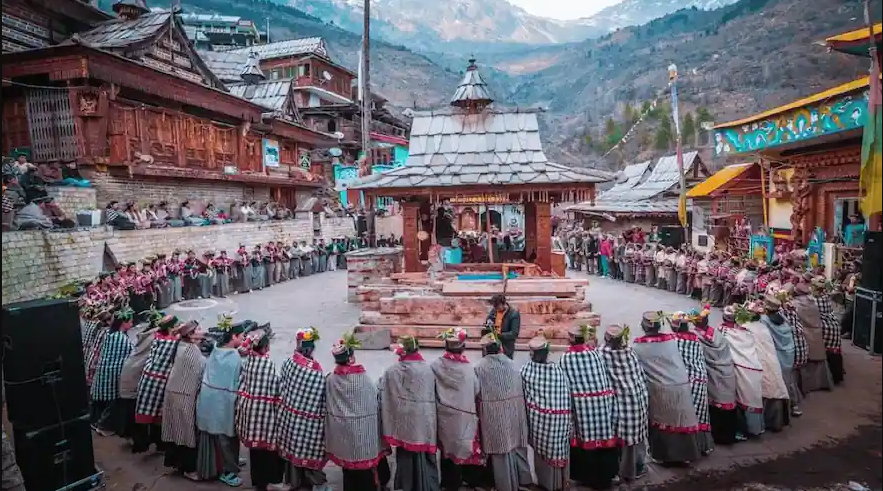
In 2026, the celebration follows a specific lunar calendar. While the rest of India celebrates on March 4th, Sangla’s festivities are uniquely timed due to local traditions and a Lunar Eclipse occurring on March 3rd.
| Date | Significance | What to Expect |
| Feb 28 – March 1 | Preparatory Phase | Villagers gather at the Nag Temple; preparation of Totu (sacred barley dish). |
| March 2, 2026 | Main Celebration Day | The grand deity procession, masked dances, and community color play at Sangla Chowk. |
| March 3, 2026 | Spiritual Observance | Due to the Lunar Eclipse (Sutak Kaal), temples close early. Evening Holika Dahan bonfire. |
| March 4, 2026 | Final Festivities | Local Ramayana reenactments and the conclusion of Faguli rituals. |
Why Sangla Holi is Unlike Anything Else
1. The Phagli (Masked) Dance
The highlight of the festival is the Phagli dance. Men don ancient carved wooden masks and traditional grass skirts to perform ritualistic dances. This represents the victory of local deities over mountain demons and the welcoming of spring.
2. The Legend of Bering Nag
The entire valley revolves around the Bering Nag Temple. The deity is carried out in a magnificent palanquin (rath), and it is believed that the god himself participates in the Holi festivities with his people.
3. Snow, Sun, and Gulaal
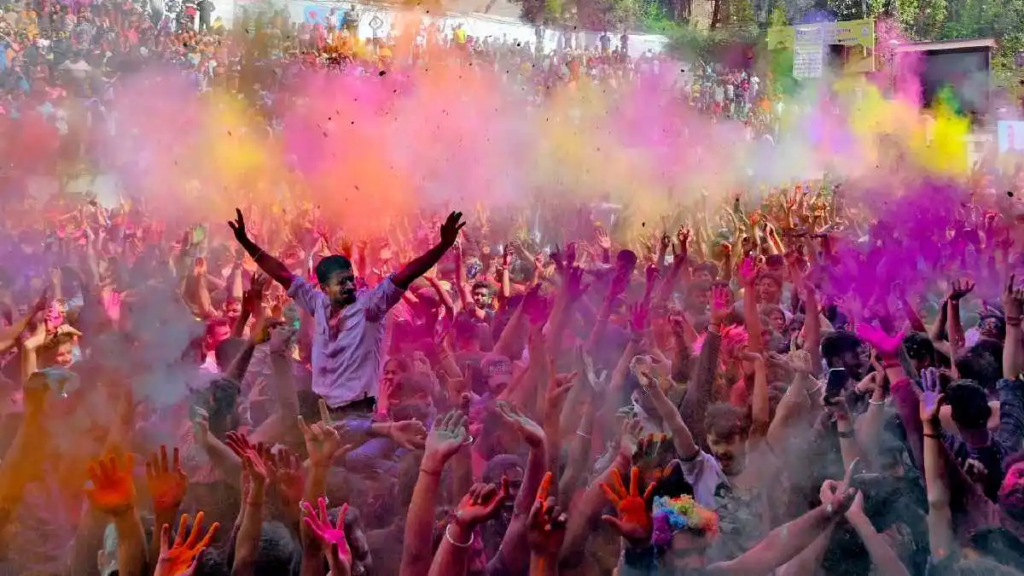
Forget the “water balloons” of the plains. In Sangla, you play with dry organic gulaal often mixed with actual snow. The sight of vibrant pink powder against the stark white Himalayan peaks is a photographer’s dream.
4. Culinary Traditions
You’ll be treated to authentic Kinnauri hospitality. Expect to taste:
- Siddu: Steamed bread with walnut/poppy seed filling.
- Chhang/Phasur: Locally brewed barley wine used in rituals.
- Totu: A sacred mixture of roasted barley flour and buttermilk.
📍 Essential Travel Guide for 2026
How to Reach
- The Route: Delhi → Shimla → Narkanda → Sangla. It’s an 18–20 hour journey. We recommend a night halt in Narkanda to acclimatize.
- Pro Tip: The road from Karcham to Sangla is carved into cliffs—keep your camera ready, but don’t look down if you’re afraid of heights!
Weather & Packing
March in Kinnaur is still winter. Daytime temperatures might hover around 10°C, but nights can plummet to -5°C.
- Must Pack: Heavy woolens, thermals, waterproof trekking shoes, and a power bank (cold drains batteries fast).
Permissions
- Indian Tourists: Carry a valid ID (Aadhar) for check-posts.
- Foreign Nationals: You will require an Inner Line Permit (ILP) to travel beyond Reckong Peo/Sangla towards Chitkul.
Getting There: The Journey to the Border
Sangla is located in the Kinnaur district, about 220 km from Shimla. Because the roads are carved into high cliffs, travel times are often longer than they appear on a map.
By Public Transport (The Budget Way)
- From Delhi: There is a direct HRTC (Himachal Road Transport Corporation) bus that leaves Delhi ISBT Kashmiri Gate in the evening (usually around 8:00 PM – 9:00 PM) heading for Reckong Peo. You should get off at Karcham, from where you can find local buses or shared taxis for the final 20 km climb to Sangla.
- From Shimla: Several buses leave early morning (between 5:00 AM and 7:00 AM) from the Shimla ISBT. The journey takes about 8–10 hours.
- Pro Tip: Look for the “Ordinary” HRTC buses for the most authentic experience, but be prepared for a bumpy ride!
By Private Taxi or Self-Drive
- If you are driving from Delhi, do not try to do it in one go. Break your journey at Narkanda or Shimla.
- Route: Delhi → Chandigarh → Shimla → Narkanda → Rampur → Karcham → Sangla.
- Estimated Cost: A private taxi from Shimla to Sangla typically ranges from ₹8,000 to ₹12,000 for a drop, depending on the vehicle type.
🏠 Where to Stay: Finding Your Base
Sangla offers everything from riverside luxury to rustic village homestays. For the Holi festival, where you stay determines how much of the “local” vibe you experience.
1. Sangla Village / Market (The Heart of the Action)
If you want to be steps away from the Bering Nag Temple and the main Holi processions, stay in the main village.
- Best for: Festival photographers and culture enthusiasts.
- Options: Zostel Sangla (great for solo travelers), Hotel Mount Kailash, or various local guesthouses.
2. Batseri Village (The Quiet Cultural Hub)
Located just across the river from Sangla, Batseri is famous for its traditional wooden architecture and the beautiful Badri Narayan Temple.
- Best for: A mix of comfort and tradition.
- Options: Hotel Batseri or local apple orchard homestays.
3. Rakcham (The Scenic Middle Ground)
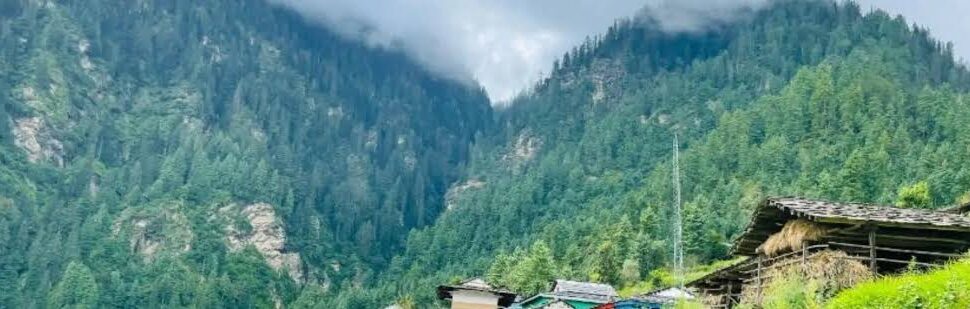
Situated halfway between Sangla and Chitkul, Rakcham offers the best mountain views and a much quieter atmosphere.
- Best for: Nature lovers who want to escape the festival crowds at night.
- Options: Numerous riverside camps and cozy wooden cottages.
Important Note: During the Holi festival, accommodations fill up months in advance. Always confirm if your stay has running hot water and room heaters, as March can still see sub-zero temperatures at night.
💡 Quick Travel Tips for 2026
- Cash is King: ATMs in Sangla are notoriously unreliable and often run out of cash. Carry enough for your entire stay.
- Connectivity: BSNL and Jio generally work best, but expect frequent “digital detox” moments.
- Health: Sangla is at 8,900 ft. Stay hydrated to avoid Altitude Mountain Sickness (AMS), especially if you are coming directly from the plains.