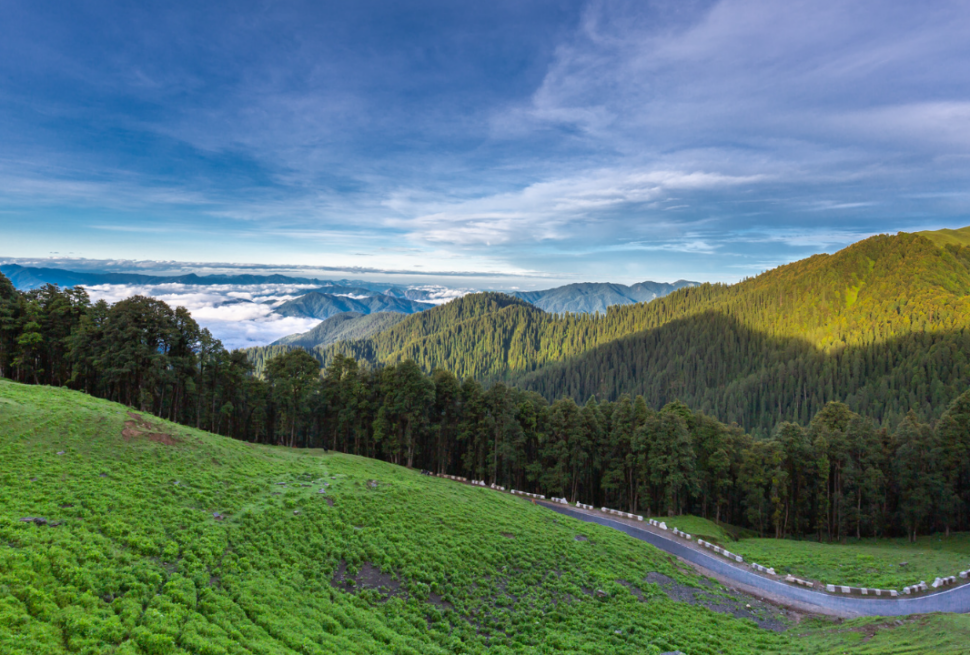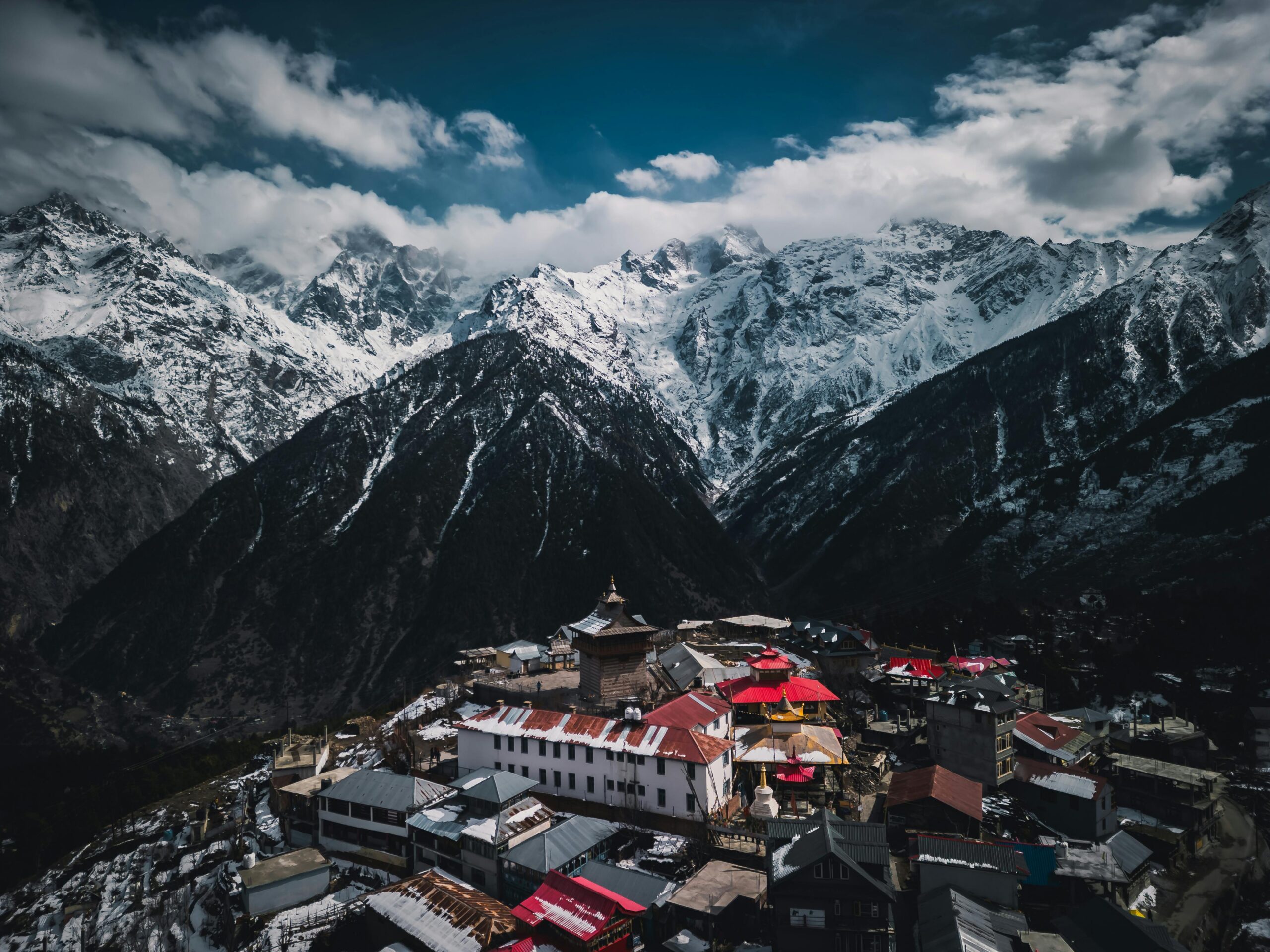
If the intense commercial chaos and bumper-to-bumper tourist gridlock of Manali sounds like a nightmare, your eyes are probably turning toward the rugged, deeper terrain of Kinnaur. Driving past the iconic rock-cut tunnels of the Hindustan-Tibet Road (NH-5) feels like entering another world.
But do not pack for Kinnaur using a standard hill station checklist. This is a high-altitude border district where the valleys are steep, the microclimates shift every 20 kilometers, and your summer wardrobe will leave you physically stranded.
If you are looking at a himachal pradesh tour package from delhi to explore this circuit over May, June, or July 2026, here is the unfiltered, ground-reality weather breakdown.
The Seasonal Shift – May to July 2026
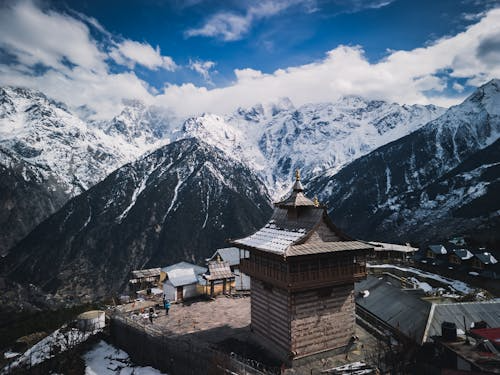
- May: The ultimate sweet spot for sanity. The valleys are brilliant green with apple blossoms, the air is razor-sharp, and the massive tourist rush hasn’t fully arrived. Nights are still freezing.
- June: The warmest, most accessible month. Every single link road is completely open, making it the prime time for high-altitude trekking and camping.
- July: The monsoon transition. While Upper Kinnaur stays relatively dry, Lower Kinnaur receives torrential downpours. The
- Geological reality: These mountains are young and fragile. Heavy July rains turn the Satluj river gorge into a high-risk zone for shooting stones and sudden mudslides.
Microclimate Breakdown – Place by Place
You cannot treat Kinnaur as a single destination. The weather changes drastically depending on whether you are perched on a cliffside or tucked into a river valley.
1. Kalpa – The Kinner Kailash Viewpoint
Sitting at an altitude of roughly 2,960 meters directly opposite the majestic Kinner Kailash range, Kalpa acts like a giant wind tunnel.
- The May-June Reality: Even when the midday sun feels warm and cozy at 20°C, the afternoon winds rolling off the glaciers drop the real-feel temperature instantly. By nighttime in May, you are looking at a crisp 2°C to 5°C.
- The July Twist: Kalpa gets stunning mist layers in July, but if the clouds roll in, the mountain peaks vanish completely behind a wall of white gray.
- What to pack: A heavy fleece jacket or a windproof down jacket is non-negotiable for watching the sunrise or sunset here.
2. Sangla – The Baspa River Valley floor
Sangla sits lower than Kalpa, resting inside a deep, gorgeous river valley carved out by the aqua-blue Baspa River.
- The May-June Reality: Because it’s sheltered by massive valley walls, Sangla is noticeably warmer during the day, often hitting a comfortable 24°C in June. This is the absolute best time for riverfront camping and walking through the local hamlets.
- The July Monsoon: The valley floor traps humidity. July brings regular showers that wash the hills into an intense emerald green.
- I’ve personally found that while travel agencies push luxury camps for July because of the lush views, in my experience, the roads connecting Karcham to Sangla become highly unstable during rains. If you book a July trip, ensure your stay has a solid concrete structure rather than relying solely on canvas tents.
3. Chitkul – The End of the Road
At 3,450 meters, Chitkul is famously the last inhabited village on the Indo-Tibetan border. It exists in a completely different climate zone.
- The May-June Reality: There is no “warm summer” here. Even in June, daytime highs rarely cross 15°C, and a sudden cloudy afternoon will bring freezing sleet. In May, you will still see heavy patches of winter snow melting along the edges of the Baspa River. Night temperatures routinely hover right around the 0°C mark.
- The July Reality: It remains cold, damp, and windy.
- The Gear: Do not pack light woolens for Chitkul. You need thermal innerwear, thick woolen socks, a heavy insulated coat, and sturdy waterproof shoes.
Crucial Survival Tips for Kinnaur This Summer
The Afternoon Water Risk: If you are driving your own vehicle or continuing further toward Nako and Spiti Valley, always follow the golden mountain rule: Leave early, arrive early.