In the 2026 travel landscape, Manali has transitioned from a seasonal summer retreat to a high-utility, year-round strategic hub. Traditional guides are now fundamentally outdated because they fail to account for the Atal Tunnel’s second-order effects on local micro-economies and the radical shifts in infrastructure caused by the 2024-2025 climate volatility.
While the “Old Manali” charm remains, the 2026 traveler must navigate a complex web of NGT (National Green Tribunal) digital permits, fluctuating high-altitude road statuses, and a “Digital Nomad” infrastructure that didn’t exist three years ago. This guide provides the technical precision required to master the region, moving beyond aesthetic descriptions to logistical mastery.
What is the most efficient way to reach Manali in 2026?
The efficiency of your arrival depends entirely on your tolerance for “Mountain Time” versus budget.
- By Air: The Bhuntar (Kullu) Airport remains the fastest but most volatile entry point. In 2026, Alliance Air and small-tier regional carriers operate daily flights from Delhi and Chandigarh. However, the flight cancellation rate due to visibility remains near 15% in winter. Expect a taxi fare of approximately 2,200 to 2,500 INR for the 50 km transit to Manali.
- By Road (The Professional Choice): The Kiratpur-Manali 4-lane Highway has drastically reduced travel time from Chandigarh. Luxury Volvo buses (HRTC and private) are the standard for 2026, taking 8 to 10 hours from Delhi. If driving, the bypass tunnels near Mandi are now fully operational, avoiding the historic “Mandi Jam” that plagued travelers for decades.
- By Rail: While the Bhanupali-Bilaspur-Beri line is progressing, the nearest functional broad-gauge station for 2026 is still Chandigarh or Ambala. Do not rely on the Joginder Nagar narrow-gauge line for efficiency; it is a heritage experience, not a transit solution.
How do I secure the necessary permits for Manali this year?
In 2026, permit management is strictly digital. Paper permits are essentially extinct.
- Rohtang Pass Permits: You must apply via the official Tourism Development Council Manali portal. The daily limit is strictly enforced at 1,200 vehicles (800 petrol, 400 diesel). Permits open at 10 AM daily for the following day and sell out within 15 minutes during peak June weekends. The fee is 550 INR per vehicle.
- Beyond the Tunnel: While the Atal Tunnel itself does not require a permit for transit, any commercial activity or overnight stay in protected zones of Lahaul often requires a separate registration at the Sissu or Darcha check-posts, especially for foreign nationals (Inner Line Permits for further reaches like Leh or Spiti).
What are the current transit and road conditions across the region?
As of April 2026, road conditions are a binary of “High-Tech” and “High-Risk.”
- The Atal Tunnel Corridor: This 9.02 km marvel keeps the North Portal accessible, but “avalanche no-go zones” are strictly enforced in early 2026 near the Chandra Bridge.
- Manali-Leh Highway: Typically opens by mid-May. In 2026, the Border Roads Organisation (BRO) uses a “Fixed Time Window” system. For example, traffic from Manali toward Leh is often allowed only between 7 AM and 11 AM to manage the narrow bottlenecks near Baralacha La.
- Local Quirk: Black ice remains a major technical hazard in the shadowed “Pagani Nallah” areas even in late March. 4×4 vehicles are no longer just a luxury; they are a safety requirement for winter transits.
Which mobile network provides the best connectivity in remote areas?
The 2026 connectivity map has shifted significantly.
- Urban Manali: 5G is ubiquitous across Mall Road and Old Manali. Jio and Airtel offer comparable speeds, often exceeding 100 Mbps.
- The Remote Reality: Once you cross the Atal Tunnel into Lahaul, BSNL (Postpaid) is the only reliable “Sole Champion.” While Jio has expanded into Kaza and Keylong, its signal is sporadic (50% success rate) during heavy snowfall or landslides.
- Pro Tip: For digital nomads, Airtel fiber has reached many cafes in Vashisht and Old Manali, providing stable terrestrial internet that cellular networks can’t match.
How should travelers manage currency and digital payments in 2026?
India’s UPI (Unified Payments Interface) has reached almost every corner of Manali, but the “High Altitude Cash Gap” still exists.
- The 80/20 Rule: 80% of your transactions (hotels, cafes, gear rental) can be done via UPI or Cards. However, 20% (local porters, remote village dhabas, and emergency snow-chain rentals) require physical cash.
- ATM Reliability: ATMs on Mall Road are frequently “Out of Cash” during peak long weekends. I recommend withdrawing your primary cash reserves in Kullu or Chandigarh before ascending.
What defines the local culture of Manali today?
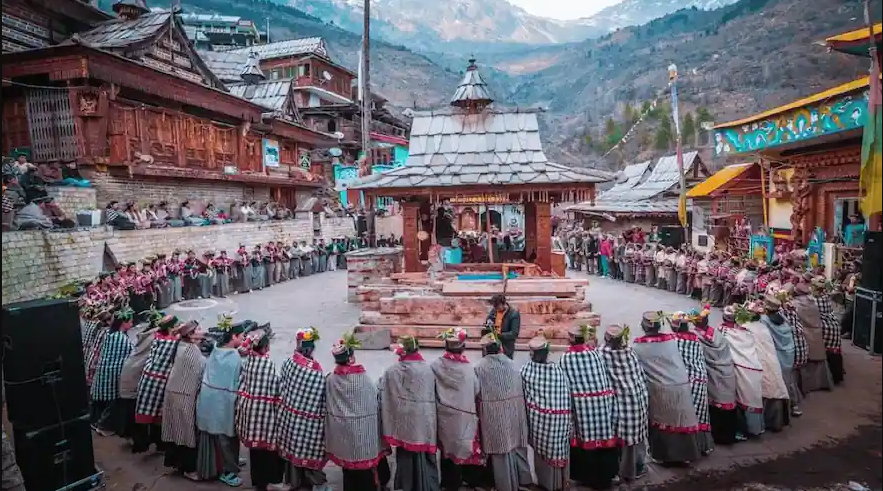
Manali’s culture in 2026 is a fascinating “Syncretic Modernity.” It is anchored by the Kullvi heritage but heavily influenced by a global traveler influx. The social fabric is built around the “Village Deity” system. Every village has its own god (Devta), and their word is local law. Understanding that you are a guest of the Devta—not just the state—is key to cultural integration.
Which local traditions and festivals can tourists attend in 2026?
- Winter Carnival (January): A showcase of Himachali folk dance and food. It’s the best time to see the Nati (traditional dance) in its authentic form.
- Hadimba Devi Fair (May): Held at the iconic wooden temple, this is a massive gathering where local deities from surrounding villages are brought in colorful processions.
- Doongri Festival: A deeply local celebration that offers a rare glimpse into the shamanic traditions of the valley.
What are the specific customs and etiquette travelers must respect?
- Temple Protocol: Never touch the inner sanctum or the deity’s chariot. In many temples (like the Vashisht Temple), leather items—including belts and wallets—must be removed before entry.
- Photography: Always ask before photographing village elders or religious ceremonies. Some “Devta” processions strictly forbid photography as it is considered a violation of the deity’s privacy.
- Eco-Etiquette: Manali has a strict “No Plastic” policy. Carrying a reusable water bottle isn’t just a suggestion; it’s a sign of a respectful traveler.
What are the best adventure activities available in Manali right now?
- Skiing and Snowboarding: With the Rohtang Ropeway and updated facilities at Solang, Manali is a legitimate winter sports destination.
- Paragliding: The “High-Fly” from Dhundi or Gulaba offers 15 to 20 minutes of airtime.
- River Rafting: The Pirdi-to-Jhiri stretch on the Beas River is the standard. In 2026, Grade III+ rapids are common during the post-thaw period in April and May.
Is trekking or outdoor exploration safe in the current climate?
Safety in 2026 is dictated by acclimatization and weather monitoring.
- Physiological Impact: Manali sits at 2,050m, but treks like Beas Kund or Hampta Pass take you above 4,000m. Acute Mountain Sickness (AMS) is a real technical risk.
- The Expert Rule: Never trek without a local guide who carries a satellite communication device (now more common in 2026) and a basic oxygen kit.
What are the top offbeat spots that remain uncrowded in 2026?
- Sajla Village: Known for its Vishnu temple and a secluded waterfall, it remains ignored by the Mall Road crowds.
- Hallan Valley: Just a short drive from the main highway, this valley offers a “Slow Travel” experience with authentic homestays and zero commercial cafes.
- Soyal Village: A stunning base for deep forest walks that feels 50 years removed from the bustle of Manali.
What are the must-try traditional dishes of Manali?
- Siddu: A steamed, fermented wheat bun stuffed with opium seeds, walnuts, or lentils. It is the “energy bar” of the Himalayas.
- Kullvi Dham: A traditional festive meal served on leaf plates, featuring Madra (chickpeas in yogurt), Sepu Badi, and Meetha Chawal.
- Trout Fish: Freshly caught from the Beas or local farms, usually prepared with a simple lemon-butter garlic rub.
Where can travelers find the most authentic dining experiences?
Avoid the “Continental” menus on Mall Road. For authenticity, head to the small dhabas in Old Manali or Vashisht. Look for places where the menu is handwritten and changes daily based on what the local market offers.
What is the total budget for a 7-day trip to Manali in 2026?
A 7-day mid-range manali trip for two people typically costs between 55,000 and 75,000 INR, excluding flights.
| Category | Estimated Cost (7 Days) | Expert Insight |
| Accommodation | 21,000 – 35,000 INR | Standard mid-range (3,000 – 5,000/night) |
| Food & Dining | 14,000 – 20,000 INR | Mix of cafes and local dhabas |
| Local Transport | 12,000 – 18,000 INR | Includes Rohtang/Tunnel day trips |
| Activities | 8,000 – 12,000 INR | Paragliding, Rafting, Entry fees |
How can travelers experience Manali on a low budget?
The “Backpacker Strategy” involves staying in Dormitories in Old Manali (800 – 1,200 INR per night) and utilizing the HRTC Local Buses instead of private taxis. Eating at the “Bus Stand Dhabas” can keep your daily food cost under 600 INR.
Lessons Learned from the Field
As an industry veteran, I’ve seen thousands of travelers make the same errors. Here are the “Insider Secrets” that contradict popular travel myths:
- The “Old Manali is Quieter” Myth: In 2026, Old Manali is often louder and more congested than the New Town due to narrow lanes and late-night cafe culture. If you want true silence, stay in Nasogi or Jagatsukh.
- The “Rohtang is the Only Snow” Fallacy: Travelers waste days chasing Rohtang permits. In reality, the Atal Tunnel North Portal often provides better, cleaner snow access with 10% of the logistical headache, provided you check the avalanche status.
- The “Summer is Best” Error: June in Manali is a logistical nightmare of traffic jams. The “Expert’s Window” is the first two weeks of April or the entire month of October. The air is crisper, the roads are empty, and the prices are 30% lower.
The 2026 FAQ Gallery
1. Is the Rohtang Pass open in winter? No. It officially closes in November and usually reopens in late May. The Atal Tunnel is the only winter artery.
2. Can I drive my own car to Manali in 2026? Yes, but you need a valid “Green Tax” receipt (paid at the entry to Kullu/Manali) and a Rohtang permit if you plan to go uphill.
3. Is UPI accepted at Rohtang Pass? Rarely. Network congestion at 3,978m makes digital payments fail 70% of the time. Carry 2,000 INR in small denominations.
4. What is the “Heating Surcharge” in cafes? In winter, many cafes add a 100-200 INR “Tandoor/Heater” charge to your bill to cover the cost of firewood or electricity.
5. Are there electric vehicle (EV) charging stations in Manali? Yes, by 2026, there are fast chargers at the HP Tourism hotels and several private resorts on the Naggar Road.
6. Is it safe for solo female travelers? Manali is statistically one of the safest hubs in India, but standard mountain precautions apply—avoid trekking alone and keep your offline maps updated.
7. Do I need special shoes for Manali? If visiting between December and March, waterproof trekking boots with “Micro-spikes” are mandatory for walking in Old Manali.
8. Can I work remotely from Manali? Absolutely. “Workation” packages are standard in 2026, but ensure your stay has a dedicated fiber-optic line, not just “free Wi-Fi.”
9. How do I avoid altitude sickness? Spend your first 24 hours in Manali town (2,050m) before attempting the Tunnel or Rohtang (3,000m+). Hydrate more than usual.
10. What is the best souvenir to buy? Avoid the “Made in China” trinkets on Mall Road. Look for Hand-loomed Kullu Shawls with the “Handloom Mark” or local apricot oil from village cooperatives.