
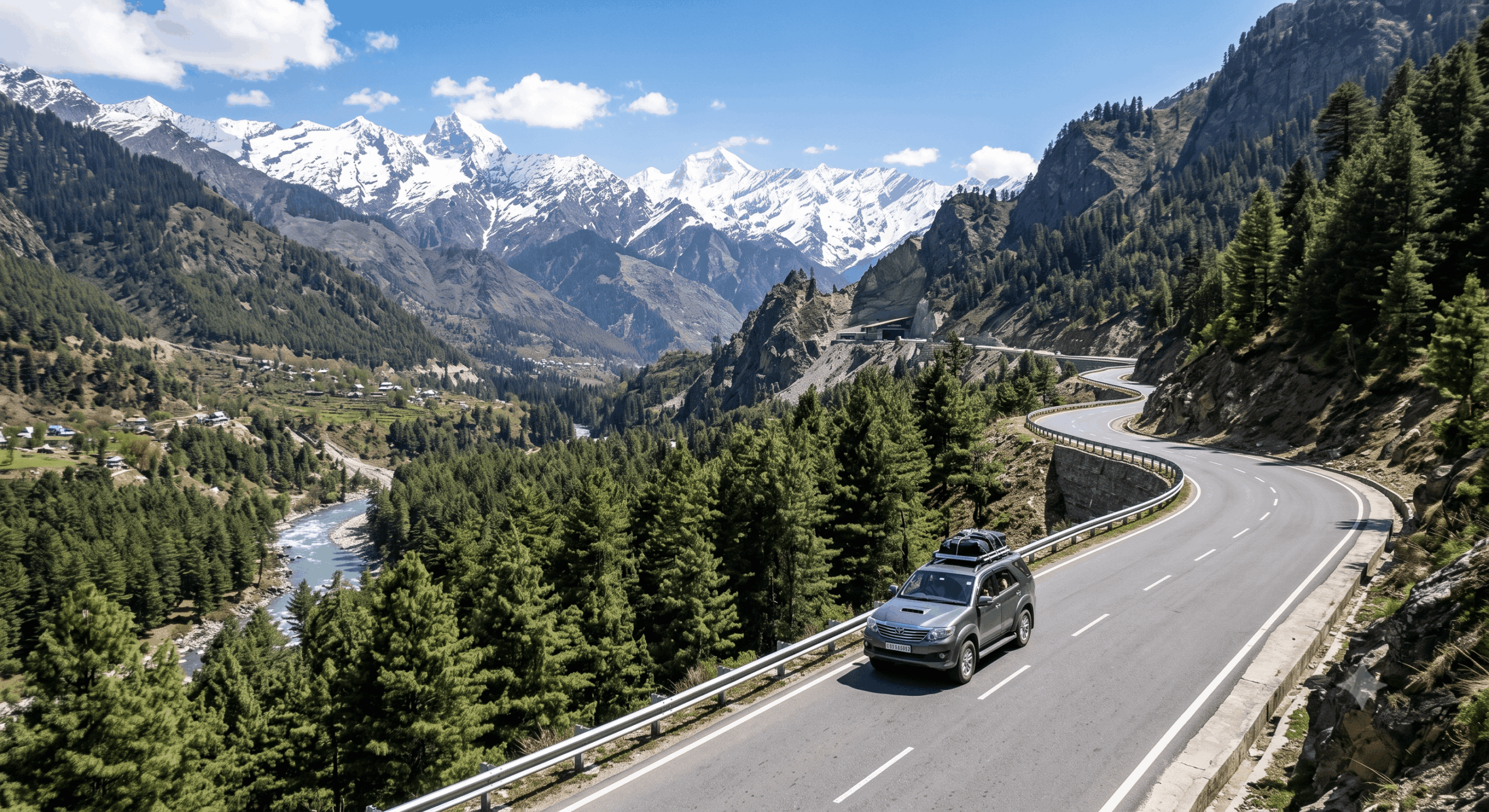
Planning a trip across Himachal Pradesh means navigating different altitudes, weather zones, and road conditions. A popular choice for families, corporate groups, and college students is combining the evergreen comfort of Kullu Valley with the high-altitude desert of Lahaul and the pine-scented trails of Parvati Valley.
If you are looking for a complete manali sissu kasol tour package, this guide gives you the exact road map. You will find real travel times, highway updates, and a realistic itinerary that prevents altitude sickness while maximizing your time in the mountains.
How Do You Reach Manali Quickly and Safely?
Your journey almost always begins by traveling up from the plains to Manali. You can fly into Chandigarh or take an overnight Volvo bus from New Delhi. If you choose to drive from Chandigarh, you will take the Kiratpur-Manali four-lane highway.
This massive infrastructure project has completely changed travel times. The highway features new bypasses around towns like Sundernagar, Nerchowk, and Bilaspur, which have eased traffic congestion significantly. The road also includes multiple tunnels that help address old problems like waterlogging and blockages during the monsoon season.
However, mountain driving still requires caution. Heavy rain can cause landslides, occasionally bringing down shooting stones near areas like Mehla village in Bilaspur district. Always check local weather alerts before driving up from the plains. Leaving Chandigarh early in the morning guarantees you will cross the steepest sections before afternoon traffic and unpredictable weather roll in.
What is the Ideal 5 to 7-Day Road Trip Itinerary?
You need a solid daily plan to cover Manali, Lahaul, and Kasol without spending your whole vacation inside a car. Here is a day-by-day breakdown for this exact circuit.
Day 1: How Should You Spend Your First Day in Manali?
When you arrive in Manali, you are at an altitude of about 6,700 feet. Your first day must be slow to allow your body to adapt to the thinner air. Rushing into heavy physical activity immediately can trigger mild altitude sickness.
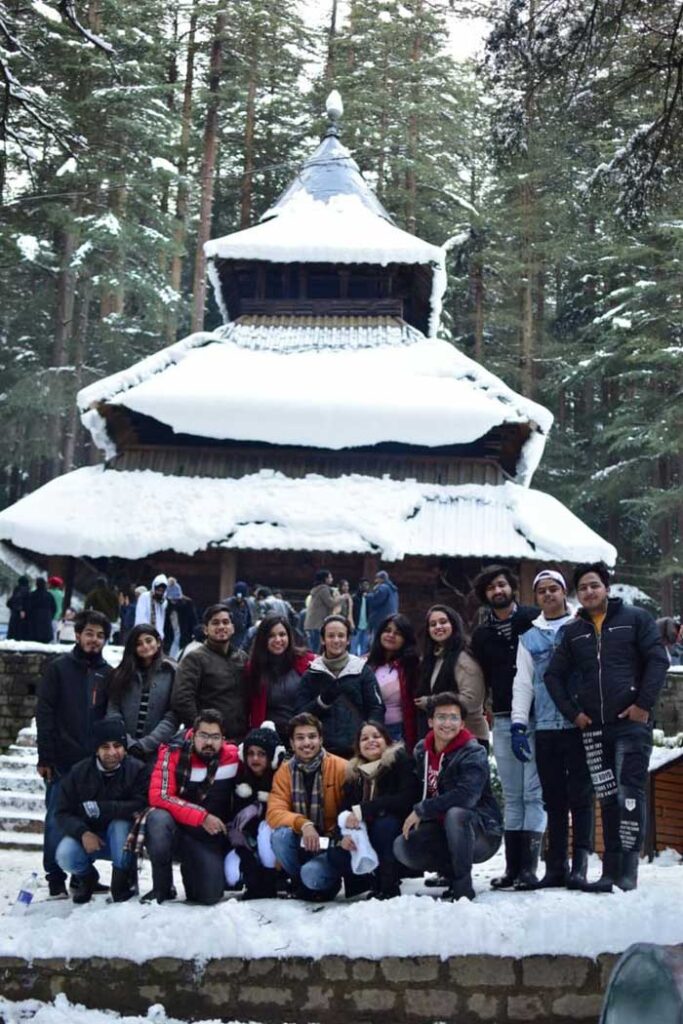
Check into your hotel and spend the afternoon walking through Old Manali. The air is crisp, and the streets are lined with small cafes serving hot food. You can visit the Hadimba Devi Temple in the evening or walk through the Mall Road to pick up warm clothes if you under-packed. Get a full night of sleep because the next day takes you much higher.
Day 2 & 3: What Makes the Drive to Sissu Special?
On day two, you drive north from Manali toward the Lahaul Valley. To get there, you will cross the famous Atal Tunnel. Built by the Border Roads Organisation, the Atal Tunnel is a 9.02-kilometer highway tunnel that sits securely above 10,000 feet. Before this tunnel existed, the Lahaul-Spiti Valley remained entirely cut off from the rest of the country for six months every year due to massive snowfall on the Rohtang Pass. Now, it is an all-weather tunnel.
The tunnel entrance, known as the South Portal, stands at an altitude of 3,060 metres, while the North Portal exits near Teling village in Lahaul Valley at 3,071 metres above sea level. The drive through the tunnel takes about 15 minutes, but the temperature drop on the other side is immediate.
Once you exit the North Portal, you enter Sissu. Sissu offers wide, sweeping views of the Chandra River and towering, barren mountain peaks. You can hike up to the Sissu Waterfall, which requires a short, sharp walk from the valley floor. Spend a night in a homestay here to experience the harsh but beautiful Lahaul climate. Expect cold nights. In October, daytime temperatures in Sissu stay around 13°C to 16°C, but nighttime temperatures regularly drop below freezing.
Day 4 & 5: How Do You Navigate Parvati Valley and Kasol?
After exploring Lahaul, you will drive back through the Atal Tunnel, pass Manali, and head south toward Bhuntar. Bhuntar sits on the main Kullu-Manali highway and serves as the entry point into the Parvati Valley. From Bhuntar, the drive to Kasol is approximately 30 kilometers and takes about 1.5 hours in a taxi or bus.
Kasol is located right on the banks of the roaring Parvati River. It is highly popular among backpackers for its Israeli-influenced food, cozy cafes, and relaxed atmosphere. Spend your fourth day exploring the local markets, trying dishes like Shakshuka, and walking along the riverside pine forests. This is the perfect place to unwind after the cold winds of Lahaul.
Day 6 & 7: Where Can You Find the Best Hot Springs Near Kasol?
On your final days, you have two great options for experiencing the natural hot springs of Parvati Valley. If you want a physical challenge, take the Kheerganga Trek. The trek starts from Barshaini, which is the road-head just past Kasol. It is a 12 to 13-kilometer climb one way, taking about 5 to 6 hours to complete. The reward at the top is a natural sulfur hot spring surrounded by Himalayan peaks.
If you are traveling with a family or corporate group and want an easier option, visit Manikaran instead. The town has easily accessible hot springs and is considered highly sacred. After a hot bath and a hearty meal, you can return to Bhuntar to catch your Volvo bus or flight back home, completing your trip perfectly.
How Should You Pack for Manali, Sissu, and Kasol Weather?
Packing for this trip is tricky because you are passing through three very different micro-climates. You must pack in layers so you can add or remove clothes as you move.
- For Manali: Standard autumn or spring weather applies depending on the month. Light sweaters for the day and a solid jacket for the night work well.
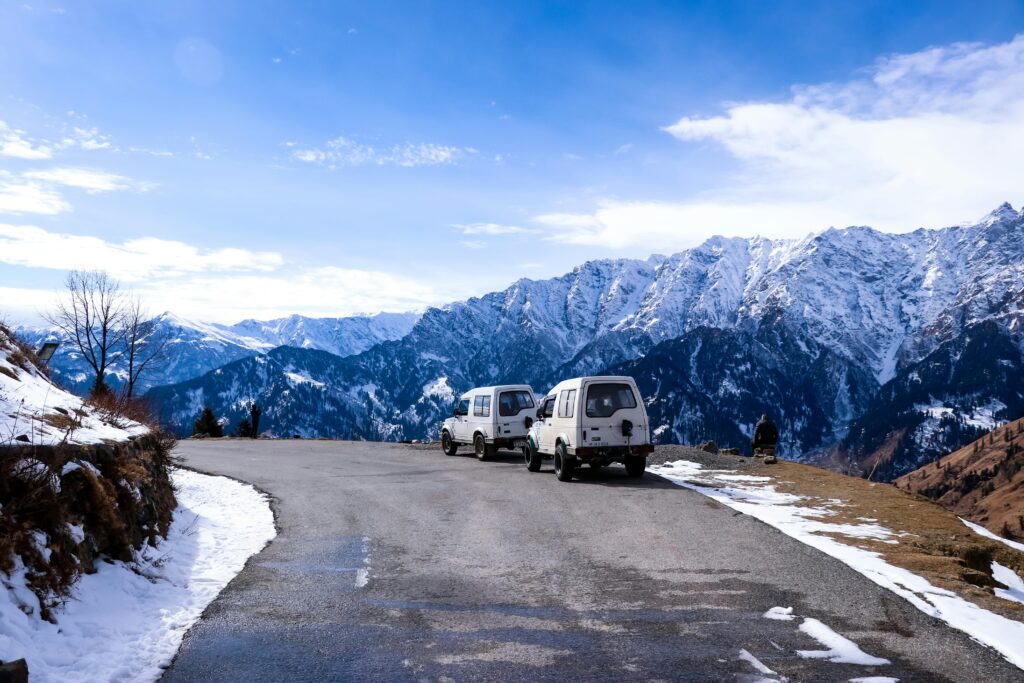
- For Sissu: The wind in Lahaul is sharp and biting. You absolutely need a heavy windcheater, thermal innerwear, gloves, and a woolen cap. The temperature difference between the sun and the shade is drastic.
- For Kasol: The valley is lower in altitude and more sheltered. Comfortable trekking pants, t-shirts, and a fleece jacket are perfect for walking the forest trails. Always carry sturdy, waterproof trekking shoes if you plan to walk up to Kheerganga.
Are Roads Safe for Self-Driving and Families?
If you are an experienced driver who has handled steep inclines and sharp mountain curves before, driving your own car is doable up to Manali. The new four-lane highway makes the initial climb much smoother.
However, once you move past Manali toward Sissu or turn onto the narrow, winding road toward Kasol, the driving becomes highly technical. Local drivers understand exactly how to yield space on single-lane cliff roads. If you are traveling with your family or on a corporate retreat, it is highly recommended to hire a local Himachali taxi driver. This completely removes the stress of driving and lets you actually look out the window and enjoy the trip.
Frequently Asked Questions
What is the fastest way to travel from Delhi to Kasol?
The most efficient and common method is taking an overnight Volvo or HRTC bus from Delhi straight to Bhuntar. The bus journey takes about 12 to 15 hours. Once you reach Bhuntar, you can hire a taxi or catch a local bus for the 1.5-hour ride directly to Kasol.
How long is the Atal Tunnel and does it stay open in winter?
The Atal Tunnel has a length of 9.02 kilometers and is the longest highway tunnel above 10,000 feet in the world. It was designed specifically as an all-weather tunnel to keep the Lahaul-Spiti Valley connected during the heavy winter snowfalls. It usually remains open year-round, though temporary closures happen during extreme blizzards for snow clearance.
Do Indians need a permit to visit Sissu via the Atal Tunnel?
No, Indian citizens do not need an Inner Line Permit to drive through the Atal Tunnel and visit Sissu. You can drive straight through. Permits are only required if you plan to cross the Rohtang Pass surface road or if you are a foreign national traveling further deep into Spiti near the border areas.
Is Kasol suitable for families and corporate retreats?
Yes, while Kasol is famous as a backpacker hub, it has evolved significantly. There are now plenty of premium resorts and quiet homestays located slightly away from the main market. Families and corporate groups can easily enjoy the pristine river views and forest walks without staying in crowded hostels.
Are ATMs widely available in Sissu and Lahaul Valley?
No. While Manali and Kasol have functional ATMs, machines in high-altitude areas like Sissu frequently run out of cash or go offline due to network issues. Always withdraw enough cash in Chandigarh or Manali to comfortably cover your food, homestay payments, and local transport in Lahaul.
References
- Border Roads Organisation: Connecting Places, Connecting People – Press Information Bureau (PIB).
- Atal Tunnel: A Marvel of Engineering – BRO Project Details.
- NHAI reviews progress of Kiratpur-Manali highway – The Tribune India.
- Kiratpur-Manali road blocked following landslide – The Tribune India.
- How To Reach Parvati Valley Kasol – Tickets to Trip.
- Sissu, HP, IN 14 Days Weather – The Weather Network.



[…] our detailed Manali, Sissu, and Kasol tour guide for help preparing your day […]
[…] an in-depth route breakdown, check out the Manali Sissu Kasol Tour Package Guide to plan your daily drive times and stops. If you prefer an extended, ready-to-book option that also […]