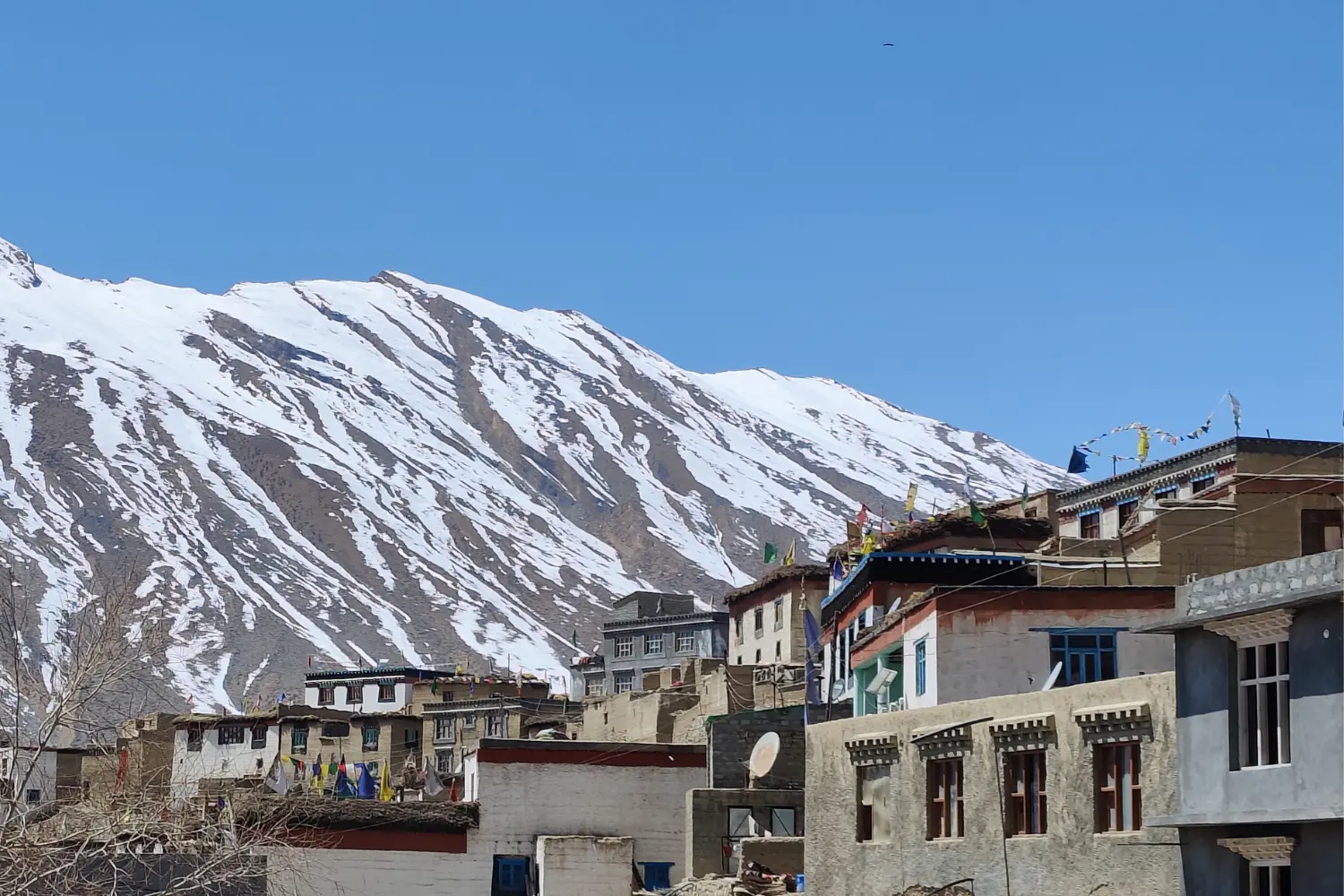
If you wait until you see the first snow reel on Instagram to book a December trip to Himachal Pradesh, you are already too late for the best parts of the holiday.
Every year between Christmas and New Year’s Eve, the highways leading into Shimla and Manali turn into miles-long bottlenecks. The heritage cottages with running hot water sell out by late October, local cab rates triple overnight, and travelers find themselves stranded in sub-zero traffic jams instead of sitting around a fireplace with a hot cup of tea.
December in the Himalayas is magical—crisp blue skies, frozen waterfalls, snow-dusted deodar forests, and high-altitude valleys turned entirely white. Experiencing it comfortably, rather than turning it into an expensive test of endurance, comes down to locking in your arrangements 60 to 90 days ahead.
The Winter Room Shortage Issue
Most travelers assume that any decent hotel room in the mountains comes equipped for harsh winter weather. In reality, central heating is a luxury found in only a handful of five-star properties across Himachal.
Independent boutique cottages, colonial homestays, and mid-range riverfront hotels in Manali, Jibhi, and Dharamshala rely on oil-filled radiators, halogen blowers, and electric bed blankets. Because heating units put an enormous load on local hill-town power grids—which frequently trip during winter storms—properties with dedicated backup generators are in high demand.
By mid-November, the rooms with guaranteed power backups, well-insulated wooden interiors, and south-facing windows that catch daytime sun are fully booked by travelers who planned in September. Waiting until December leaves you with concrete-walled rooms that trap damp cold, lukewarm tap water, and extra charges for portable heaters that barely take the chill off the air.
The Road Reality – 4×4 Transfers, Snow Chains, and Mountain Passes
Getting around Himachal in mid-winter is fundamentally different from a summer or autumn road trip. The moment heavy snowfall hits the Pir Panjal or Dhauladhar ranges, regular front-wheel-drive sedans and standard hatchback cabs lose traction on black ice.
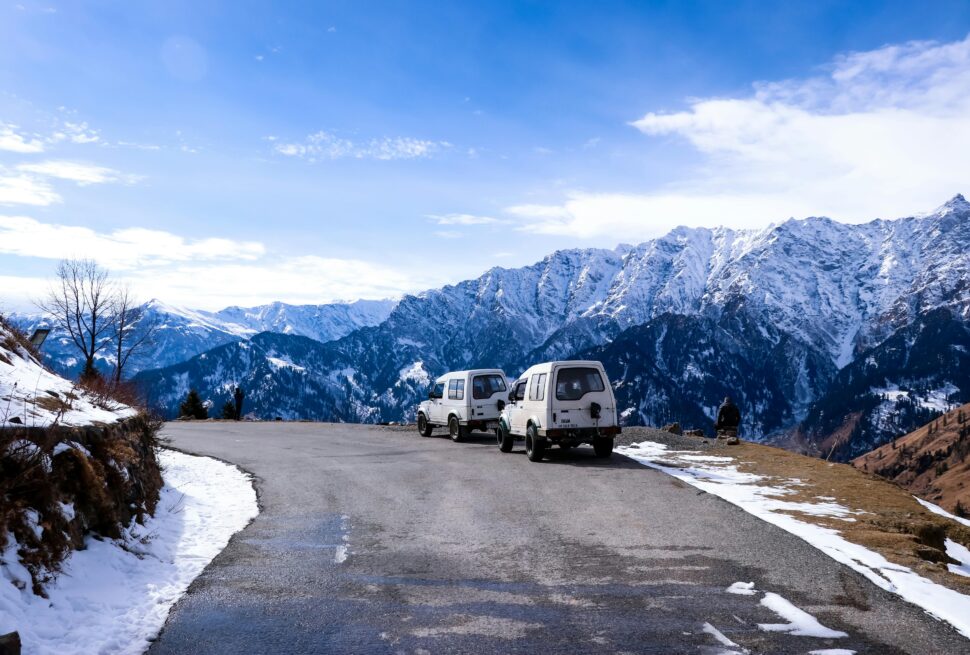
Key routes like the approach to the Atal Tunnel, the road to Solang Valley, and the high-altitude curves of Kinnaur and upper Spiti require vehicles with proper 4×4 capability or drivers equipped with physical tire chains. Local taxi unions strictly regulate these sections during snow alerts, and private drivers who do not know how to handle ice often get turned back by the highway police for safety.
When you book your private vehicle early, you secure vetted mountain drivers who know how to navigate black ice, carry emergency tire chains, and maintain clean winter fluids. Booking at the last minute leaves you at the mercy of chaotic taxi stands, where daily rental rates for a 4×4 surge dramatically the moment the snow starts falling.
Flight and Train Bottlenecks on North Indian Routes
Reaching Himachal in December involves transit points that face extreme winter congestion.
If you are traveling by train, key long-distance services into Chandigarh and Kalka—including the Vande Bharat and Shatabdi expresses from Delhi—face severe seasonal delays caused by heavy morning fog across the plains of Punjab and Haryana. The historic Kalka-Shimla toy train, which offers breathtaking views of the lower Shivaliks, operates with limited daily seating capacity. Its tickets sell out within hours of the booking window opening on IRCTC.
For air travelers flying into Chandigarh or Bhuntar (Kullu-Manali airport), seat availability drops sharply after mid-autumn. Bhuntar operates on a visual flight rules (VFR) runway, meaning winter flights are limited and seat numbers are small. Ticket prices on these regional sectors rise quickly the closer you get to December. Reserving your transit well ahead avoids steep price spikes and gives you the buffer time needed to absorb winter weather delays.
Avoiding the Classic Tourist Bottlenecks
A December vacation does not have to feel like standing in a crowded city market in the freezing cold. The experience depends entirely on which destinations you choose and how your daily route is built.
Popular Tourist Hubs vs. Quieter Winter Bases
| Destination | What to Expect in Late December | Smarter Alternative Nearby |
| Manali Town / Mall Road | Heavy vehicular traffic, crowded streets, long queues for Atal Tunnel | Naggar or Burwa: Quiet riverside villages just 20 to 30 minutes away with traditional Kathkuni architecture and open mountain views. |
| Shimla Center | Packed ridge, limited vehicle entry permits, paid parking shortages | Mashobra or Narkanda: Secluded apple orchard country offering dense deodar forests, genuine snow cover, and quiet trails. |
| Dharamshala / McLeod Ganj | Congested narrow roads around the main square and Bhagsu | Dharamkot or Rakkh: High ridges with sweeping Dhauladhar panoramas, relaxed cafes, and peaceful village trails. |
| Tirthan Valley | Moderate cold, quiet homestays, partially frozen trout streams | Shoja: High-altitude mountain village perched right below Jalori Pass, offering deep silence and immediate access to snow lines. |
Cold-Weather Essentials You Cannot Buy on the Fly
Packing for a mountain vacation in December requires proper thermal gear rather than just heavy street fashion. Buying winter gear once you arrive in a hill station usually results in overpaying for synthetic fleece jackets that fail to block high-altitude winds.
Start gathering your winter gear well before departure so you can layer properly:
- Moisture-wicking thermal base layers: Synthetic or merino wool thermal tops and bottoms prevent sweat from chilling against your skin during walks.
- Mid-layer insulation: A quality fleece pullover or lightweight down jacket to trap core body warmth.
- Windproof and water-resistant outer shell: Essential for walking through falling snow without your clothes soaking through.
- Footwear with aggressive rubber tread: Standard flat-soled sneakers or fashion boots slip immediately on frozen morning slush. Bring insulated hiking boots with deep rubber lugs.
- Cold-weather accessories: Fleece-lined beanies covering your ears, polarized UV sunglasses to stop snow blindness on sunny days, and water-resistant winter gloves.
Frequently Asked Questions
Which part of Himachal gets snow first in December?
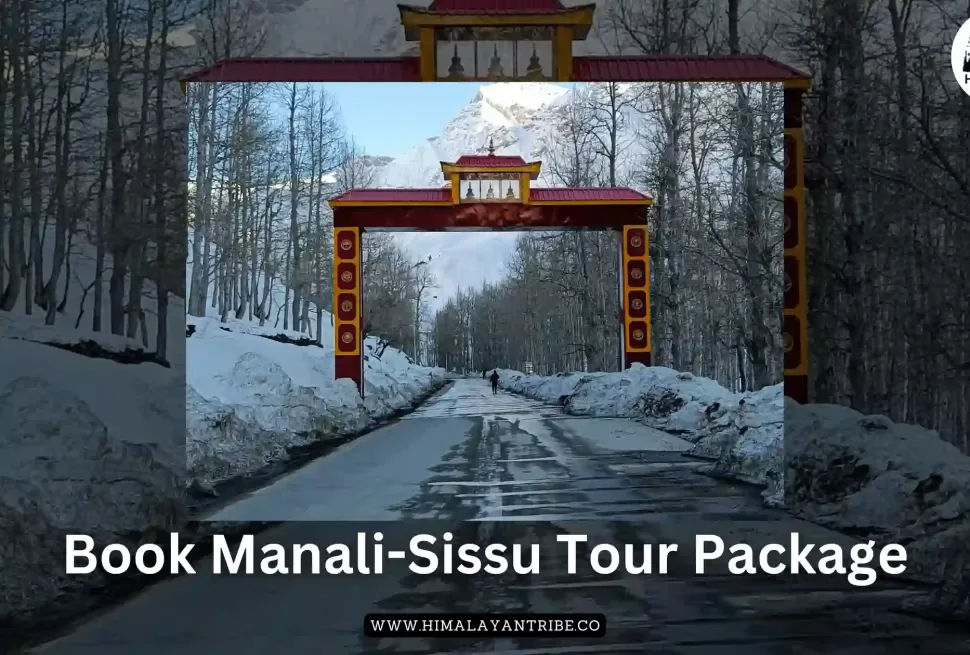
High-altitude passes and upper valleys receive the earliest snowfalls. The north portal of Atal Tunnel, Sissu in Lahaul Valley, Rohtang Pass, and Narkanda usually see snow cover by early to mid-December. Popular valley towns like Manali, Kufri, and Dalhousie typically receive their main snowfalls toward the third and fourth weeks of the month.
Is it safe to drive to Himachal Pradesh in December?
Yes, provided you stick to daylight hours, check daily road advisories, and use an experienced mountain driver. Avoid driving after sunset because dropping temperatures turn damp road patches into invisible black ice. If your itinerary involves climbing past Solang or traveling toward Kinnaur, hiring a 4×4 vehicle with an experienced local driver is strongly recommended.
How cold does it get in Himachal during December?
Daytime temperatures in places like Shimla, Manali, and Dharamshala range between 8°C and 15°C under direct sunlight. After dark, temperatures drop below freezing, commonly hitting between -2°C and -6°C in Manali and Sissu. Higher-altitude areas like Spiti and Lahaul experience night temperatures below -15°C.
Is Atal Tunnel open throughout December?
The tunnel itself remains open year-round as a vital link, but the access roads leading up to it from Manali are occasionally shut for a few hours following severe blizzards. Local district police monitor snow clearance daily and clear vehicles in batches once the road is gritted and safe for travel.
How far in advance should I book a Christmas or New Year trip to Himachal?
You should finalize your hotel reservations and private cabs at least 60 to 75 days in advance. Premium homestays, rooms with reliable heating, and dependable local drivers are fully committed by early November. Leaving bookings to the last two weeks usually means settling for poorly heated rooms on the outskirts of town at inflated rates.