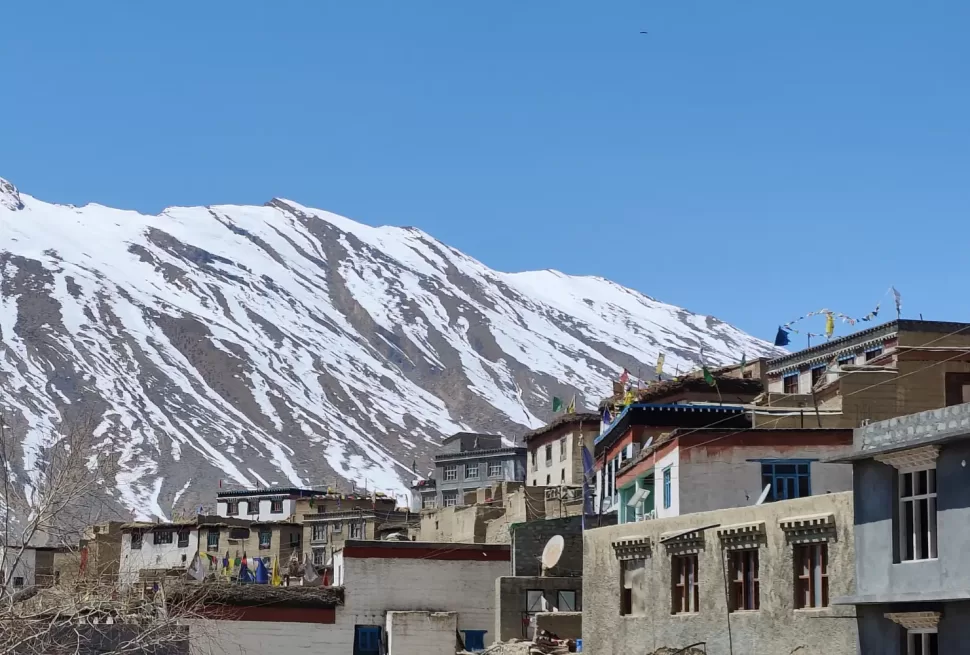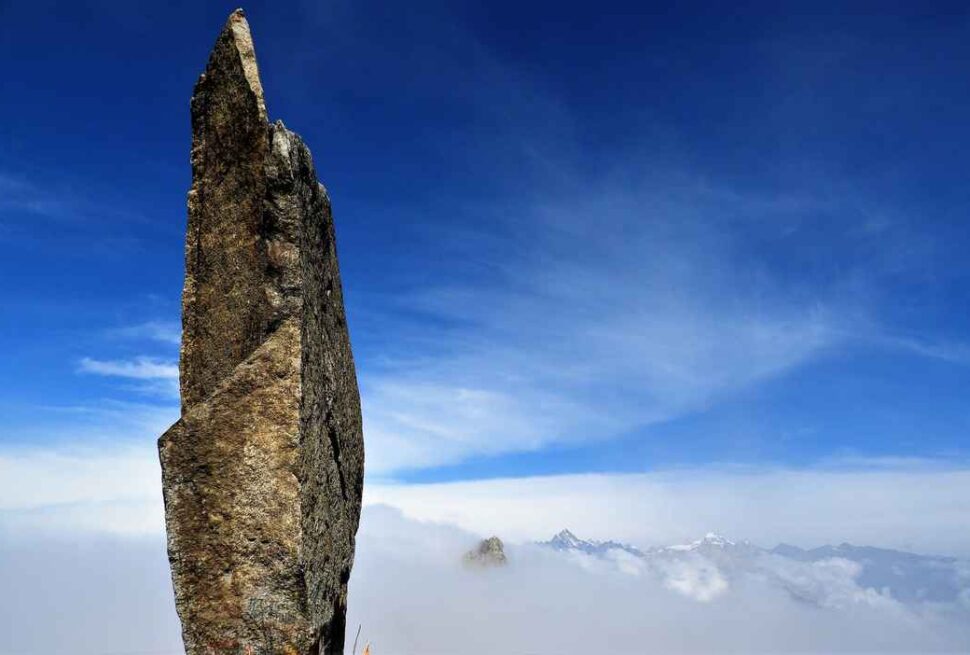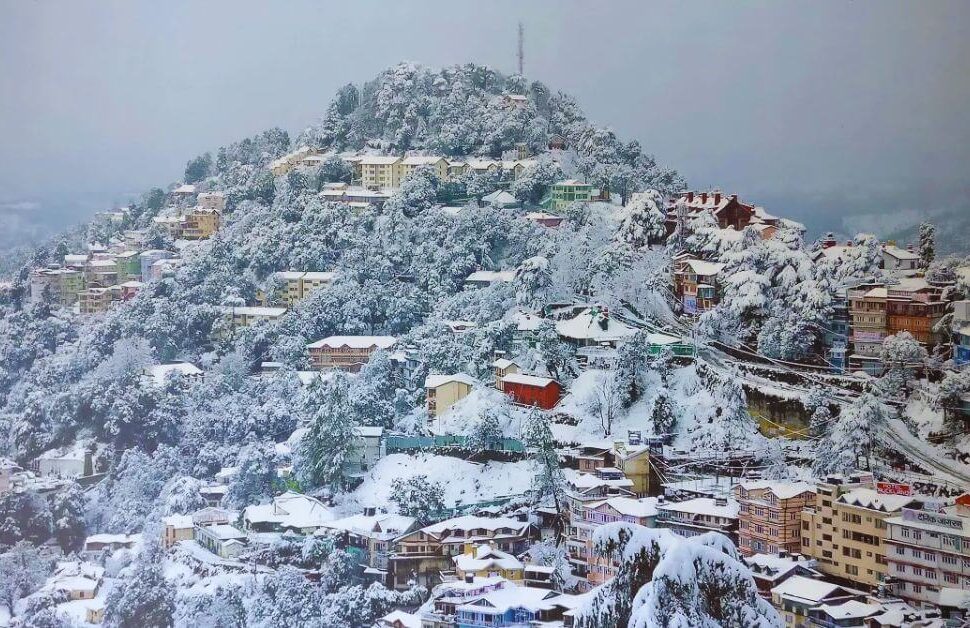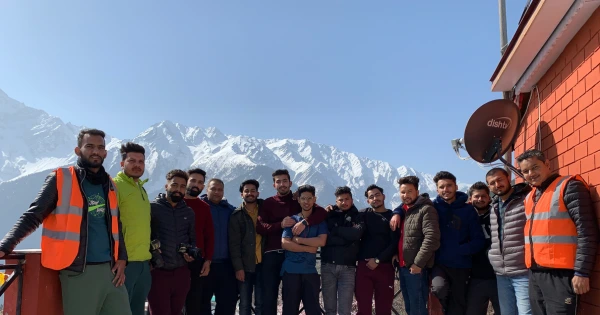
A winter expedition across the high-altitude cold desert of Himachal Pradesh is unlike any other Himalayan adventure. Between December and March, Spiti Valley transforms into a snow-covered wonderland where temperatures plummet between $-15^\circ\text{C}$ and $-25^\circ\text{C}$, rivers freeze over, and ancient monasteries stand stark against deep blue skies.
However, executing a smooth Winter Spiti Trip from Delhi requires far more preparation than a standard summer vacation. Traveling into sub-zero mountain conditions demands early logistics mapping, specialized transport, and locked-in stays long before you set off.
If you are aiming to experience the snow-laden valley this coming season, here is why you need to lock in your plans early.
Key Takeaways
- Single Entry Route: The Manali–Kunzum Pass route closes completely due to heavy snow. Winter access relies strictly on the Delhi–Shimla–Kinnaur–Kaza highway corridor.
- Scarcity of Stays: Over 80% of hotels in Kaza, Tabo, and Kalpa close for winter. Heated homestays equipped with traditional wood-burning bukharis are limited and fill up months in advance.
- Specialized 4×4 Transport: Vehicles require high ground clearance, anti-freeze additives, snow chains, and experienced mountain drivers trained on black ice.
- Acclimatization Safety: Ascending from Delhi (~300m) to Kaza (3,800m) in extreme cold requires a minimum 7-to-8-day gradual itinerary to prevent High Altitude Sickness (AMS).
5 Critical Reasons to Plan Your Journey Early
1. The Only Open Route (Shimla–Kinnaur) Requires Precise Timing
During winter, heavy snowfall blocks the 4,590-meter Kunzum Pass, closing the Manali-Kaza highway. The sole operational route for your Winter Spiti Trip from Delhi goes through Kinnaur:
Delhi ➔ Shimla ➔ Rampur Bushahr ➔ Kalpa ➔ Nako ➔ Tabo ➔ Kaza
Because this 800+ km round trip involves narrow cliffside passes, single-lane snow cuts, and potential clearance delays by the Border Roads Organisation (BRO), building buffer days into your schedule early is essential.
2. High-Altitude Winter 4×4 Vehicles Sell Out Fast
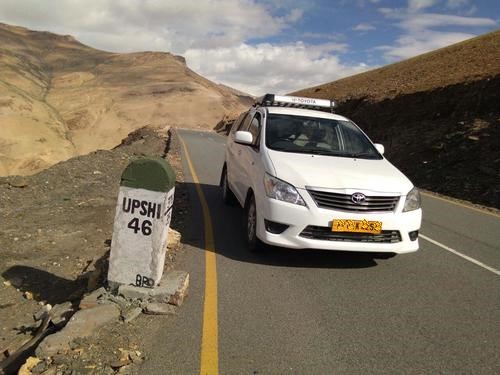
Standard sedans and 2WD hatchbacks cannot navigate frozen gradients or black ice past Reckong Peo. Modified 4×4 SUVs equipped with snow chains, seasoned drivers, and engine heating kits are non-negotiable. Because the fleet of winter-ready 4×4 operators in Delhi, Chandigarh, and Shimla is small, vehicle rentals get booked out well before December.
3. Extremely Limited Heated Homestays
In winter, conventional piped water lines freeze solid across Spiti Valley. Hotels close their doors, leaving only select local homestays operating with dry eco-toilets and bukharis (traditional wood-burning heaters). Since room inventory in towns like Kaza, Kibber, and Tabo drops significantly, securing warm, verified accommodation requires advance booking.
4. Procuring Sub-Zero Gear Takes Time
Standard winter jackets will not keep you warm in Spiti’s -20 C nights and high-velocity wind chill. Planning early gives you enough time to source proper extreme-weather equipment:
- Down jackets rated for $-20^\circ\text{C}$ or lower.
- Waterproof thermal snow boots with deep rubber grips.
- Multi-layer Merino wool thermals, fleece inner linings, and windproof outer shells.
- UV-protection polarized sunglasses to prevent snow blindness.
5. Medical Readiness & Health Acclimatization
Cold-weather stress increases your body’s oxygen consumption at high elevations. Preparing early allows you to consult a physician regarding Acute Mountain Sickness (AMS) preventatives (such as Acetazolamide/Diamox), arrange portable oxygen cylinders for your vehicle, and structure a gradual altitude-gain itinerary.
Recommended Expedition Itinerary (8 Days / 7 Nights)
Delhi ➔ Shimla ➔ Kalpa ➔ Nako / Tabo ➔ Kaza (3 Days Base) ➔ Rampur ➔ Delhi
- Day 0: Overnight Volvo Bus or Drive from Delhi to Shimla.
- Day 1: Shimla to Kalpa via Narkanda and Rampur (Acclimatization & views of Kinner Kailash).
- Day 2: Kalpa to Tabo via Nako Lake (visit frozen Nako village & 1,000-year-old Tabo Monastery).
- Day 3: Tabo to Kaza via Dhankar Monastery (Entry into the high Spiti desert).
- Day 4: Kaza High-Altitude Circuit (Key Monastery, Chicham Bridge, Kibber).
- Day 5: Highest Villages Circuit (Hikkim, Komic, Langza for fossil hunting in snow).
- Day 6: Kaza to Rampur (Long return leg following the Sutlej river gorge).
- Day 7–8: Rampur to Shimla and overnight transit back to Delhi.
Frequently Asked Questions
Is Spiti Valley accessible in January and February?
Yes, Spiti Valley remains open during peak winter months via the Shimla–Kinnaur highway. The Manali route via Rohtang and Kunzum Pass remains closed due to heavy snowfall.
How cold does Spiti get in winter?
Daytime temperatures in Kaza range between -5C and 5C, while night temperatures routinely drop between -15C and -25C.
How do toilets work in Spiti during sub-zero temperatures?
Because running water freezes inside supply pipes, accommodations use traditional dry eco-toilets or bucket systems designed for high-altitude winter conditions.
References & Authoritative Sources
- Himachal Pradesh Tourism Development Corporation (HPTDC): Official travel advisories, winter accommodation directories, and heritage circuit information. https://hptdc.in/
- India Meteorological Department (IMD) – Meteorological Centre Shimla: Official weather tracking and sub-zero warnings for Lahaul & Spiti district. https://mausam.imd.gov.in/shimla/
- Ministry of Road Transport & Highways (MoRTH) / Border Roads Organisation (BRO): Highway maintenance and status updates for National Highway 5 (NH 5). https://morth.nic.in/