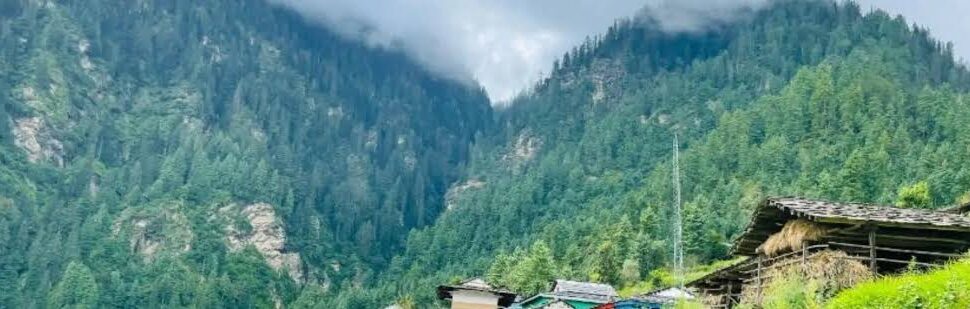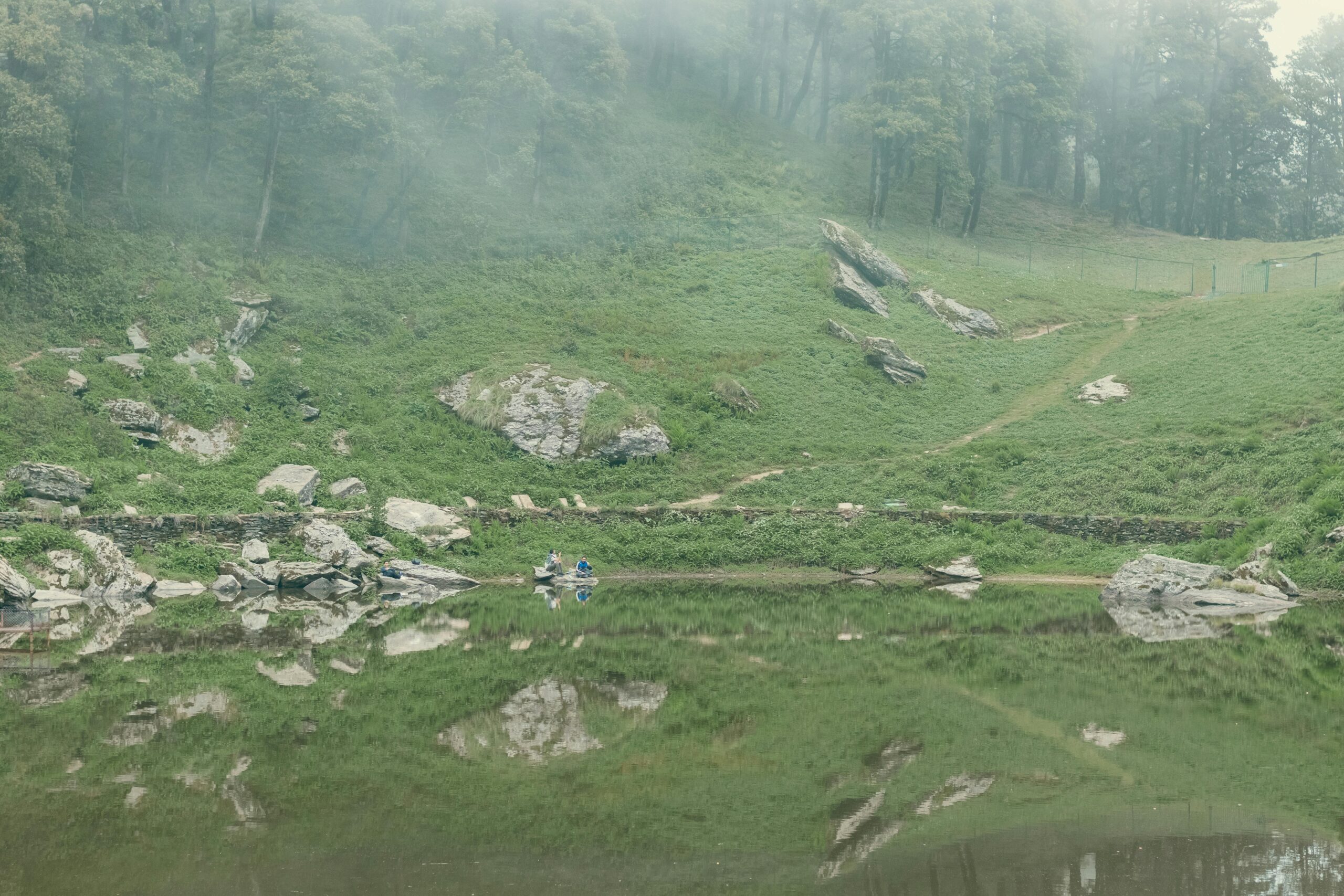
Jibhi and the Tirthan Valley are often marketed as “offbeat” alternatives to the bustling streets of Manali. However, most travelers barely scratch the surface of what makes this region a UNESCO-recognized sanctuary. To truly appreciate this landscape, you must understand the engineering, the ecology, and the ancient “mountain law” that governs it.
Here are five deep-dive insights to help you master your next Himalayan escape.
1. The Architectural Resilience of Kath-Kuni
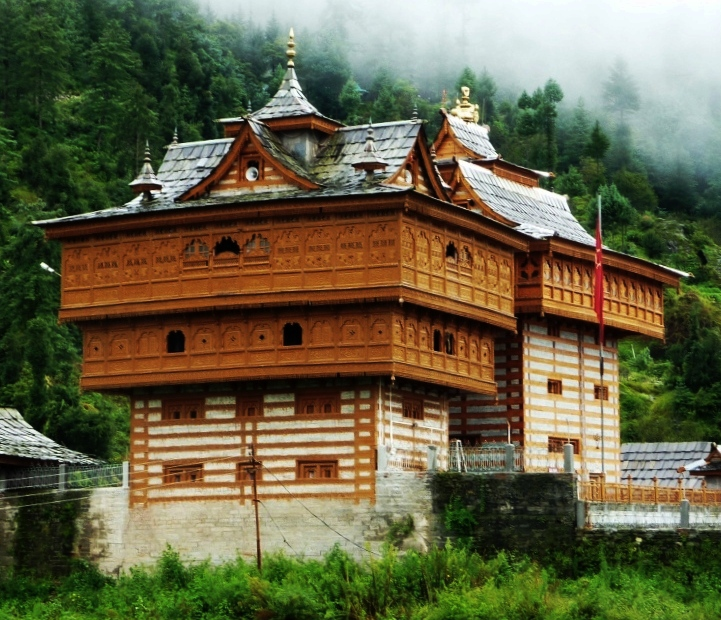
While most tourists take photos of the towering Chehni Kothi, few realize they are looking at one of the world’s most advanced indigenous engineering feats. The tower was built using the Kath-Kuni (literally “wood-corner”) style.
- This technique involves interlocking thick deodar (Himalayan Cedar) logs with layers of dry stone without using a single nail or a drop of mortar.
- The lack of rigid binding allows the structure to “sway” during seismic activity. When the 1905 Kangra earthquake leveled modern British masonry in the region, Chehni Kothi remained standing. This is a masterclass in sustainable, earthquake-resistant design that has survived for over 1,500 years.
2. The Bio-Guardian Myth of Serolsar Lake
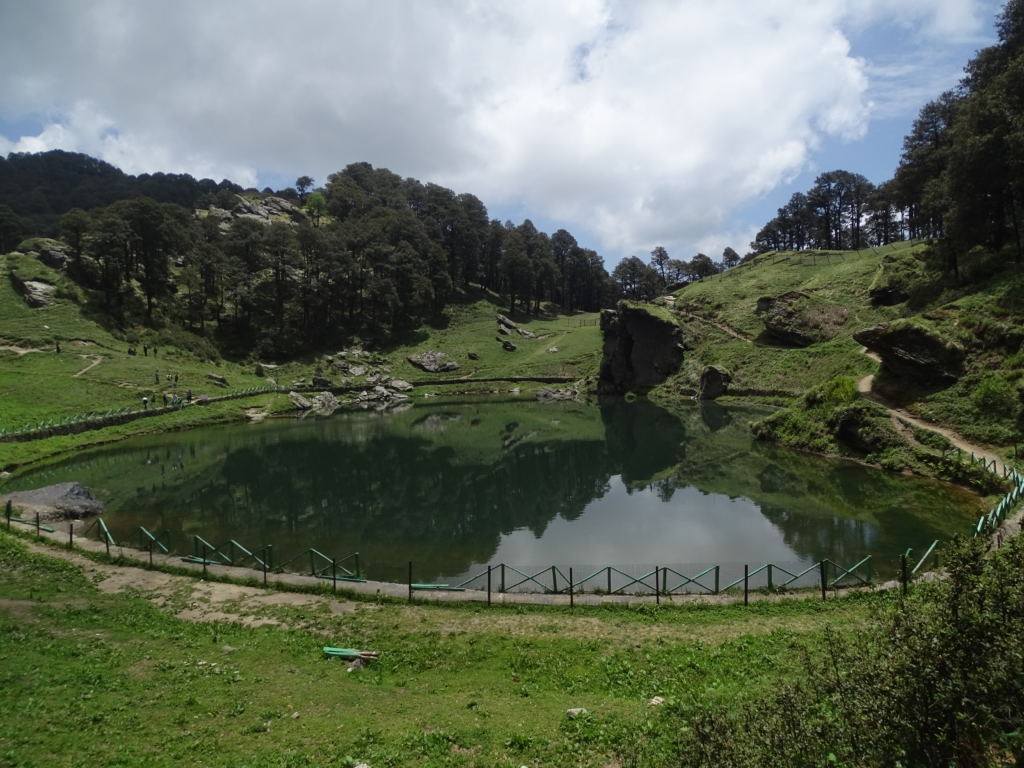
The trek to Serolsar Lake (starting from Jalori Pass) is a ritual for many, but the lake itself holds a biological mystery. Dedicated to Budhi Nagin, the mother of all Nag (serpent) deities in the region, the lake is eerily clear.
- Despite being nestled in a dense Oak and Cedar forest, you will never see a leaf floating on the water. Local legend says that a specific bird, the Ababil, tirelessly picks up every leaf that falls into the water.
- Whether you believe the myth or the science of unique wind currents and water filtration, the local community treats the lake with extreme sanctity. Visitors are strictly prohibited from entering the water or wearing shoes near the periphery—a local law that has kept the high-altitude ecosystem pristine for centuries.
3. The “Mini Thailand” Gorge
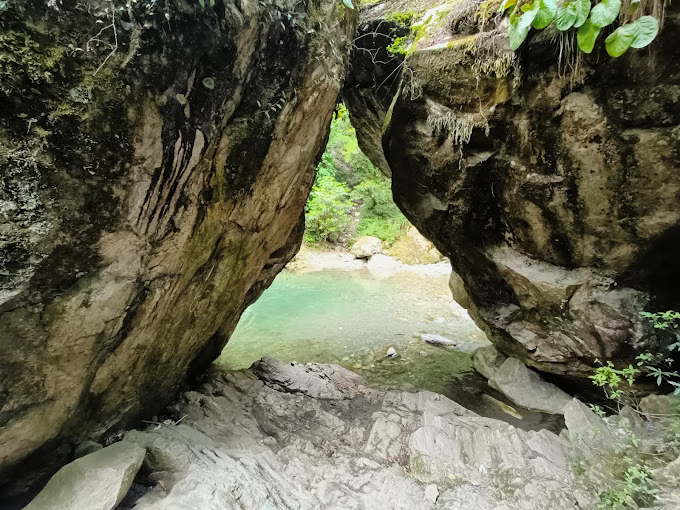
The “Mini Thailand” spot—a narrow rock gorge where the river pools into a turquoise lagoon—is Jibhi’s most Instagrammed location. However, most people visit at the wrong time and find it murky.
- To see the “Lagoon Blue” water that resembles the Andaman or Thailand, you must visit between mid-March and early May. Once the monsoon hits in June, the glacial silt turns the river brown, and the “Mini Thailand” effect disappears until the winter freeze.
- To find the true entrance, walk past the main Jibhi market toward the village of Bahu. Look for a small, unassuming trail behind the local secondary school. Timing your visit for 11:00 AM ensures the sun hits the bottom of the gorge, illuminating the mossy walls.
4. The World’s Most Protected Trout Sanctuary
Tirthan Valley is one of the few places in India where the Brown and Rainbow Trout are not just a delicacy but a protected heritage.
- Because the valley serves as the “buffer zone” for the Great Himalayan National Park (GHNP), the river is under the strict jurisdiction of the Fisheries Department. The Tirthan River is one of the few “Angling Reserves” in the country where commercial netting is a criminal offense.
- If you wish to fish, you must secure a daily permit from the office at Larji or Banjar. Most local guides practice “Catch and Release,” a conservation effort that ensures the Tirthan remains a top-tier destination for international fly-fishing enthusiasts while maintaining the ecological balance of the UNESCO site.
5. The “Ailyak” Lifestyle vs. The Delhi Pace
There is a local word you will hear elders say in the upper villages: Ailyak. In a world obsessed with 5-day itineraries and “must-see” checklists, Jibhi offers a different currency.
- Ailyak refers to the art of conscious stillness. It is the cultural practice of spending hours simply observing the river’s flow or the movement of clouds over the Jalori ridge.
- The value of Jibhi isn’t in the number of waterfalls you visit, but in the transition from “tourist” to “observer.” Stay in a traditional wooden homestay in villages like Tandi or Ghiyagi rather than a concrete hotel. Engaging with your hosts over a “Dham” (traditional feast) will offer more insight into Himalayan life than any guidebook ever could.
Logistics for the 2026 Traveler
- The New Fast Route: Forget the old 14-hour grind. The Kiratpur-Nerchowk expressway and the Pandoh bypass are now fully operational. You can comfortably reach the Aut Tunnel from Delhi in about 8-9 hours of driving time.
- Connectivity: While 5G is available in Jibhi and Banjar markets, expect total “digital detox” zones in the Tirthan interior and near Jalori Pass.
- Sustainable Ethics: Jibhi has implemented a strict “Zero-Waste” initiative. Carry your own trash back to the main town collection points, as the upper valleys lack the infrastructure to process plastic waste.
For those who want to skip the logistical headache of navigating mountain permits and remote road conditions, booking a dedicated jibhi tirthan valley package is the most efficient way to see the region. A well-structured itinerary typically bridges the gap between the two valleys, offering a mix of riverside relaxation in Jibhi and high-altitude exploration in the Tirthan eco-zone. When choosing a package, look for inclusions that cover the Jalori Pass trek and provide local guides who can navigate the “Mini Thailand” trails, ensuring you don’t miss the hidden spots that are often invisible to solo travelers. Moving with a pre-planned route also guarantees your stay in authentic wooden homestays, which are often fully booked by tour operators months in advance during the peak summer and autumn seasons.