In the heart of Kinnaur, there is a geological mystery that defies the static nature of stone. If you stand on the balcony of a heritage homestay in Kalpa at 5:30 AM, you’ll witness a phenomenon that has drawn sages, scientists, and cinematographers to this valley for centuries.
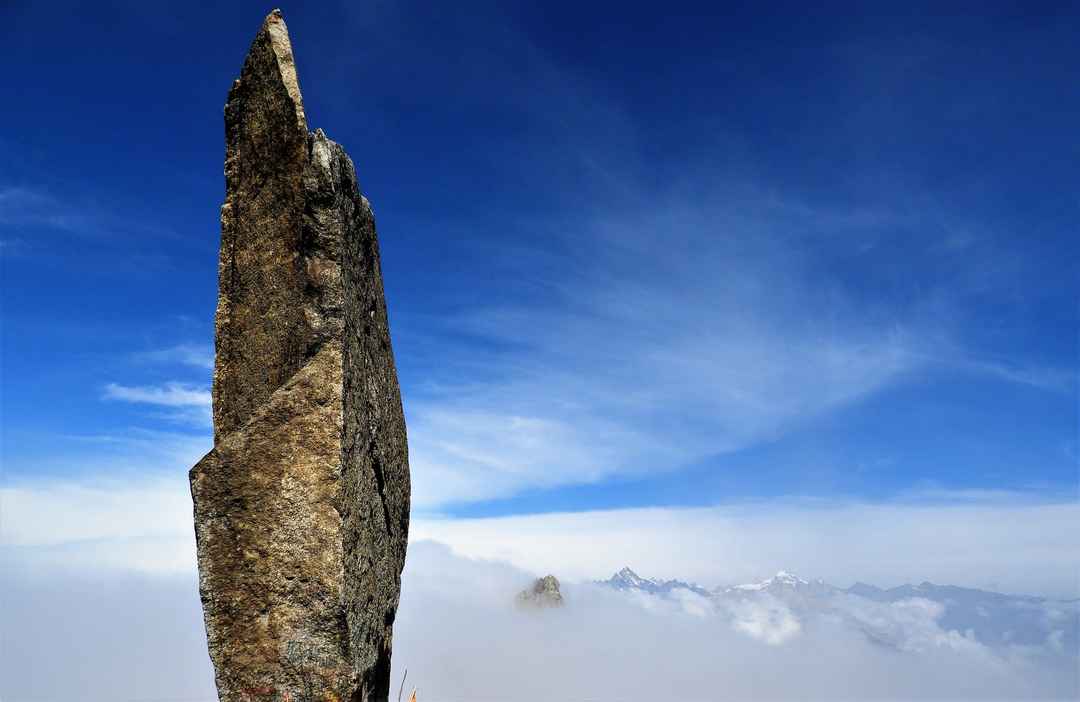
We aren’t just talking about a sunrise. We’re talking about the 79-foot Kinner Kailash Shivalingam—a massive vertical monolith that spends its day performing a silent, chromatic dance.
The Hook: A 79-Foot Divine Monolith
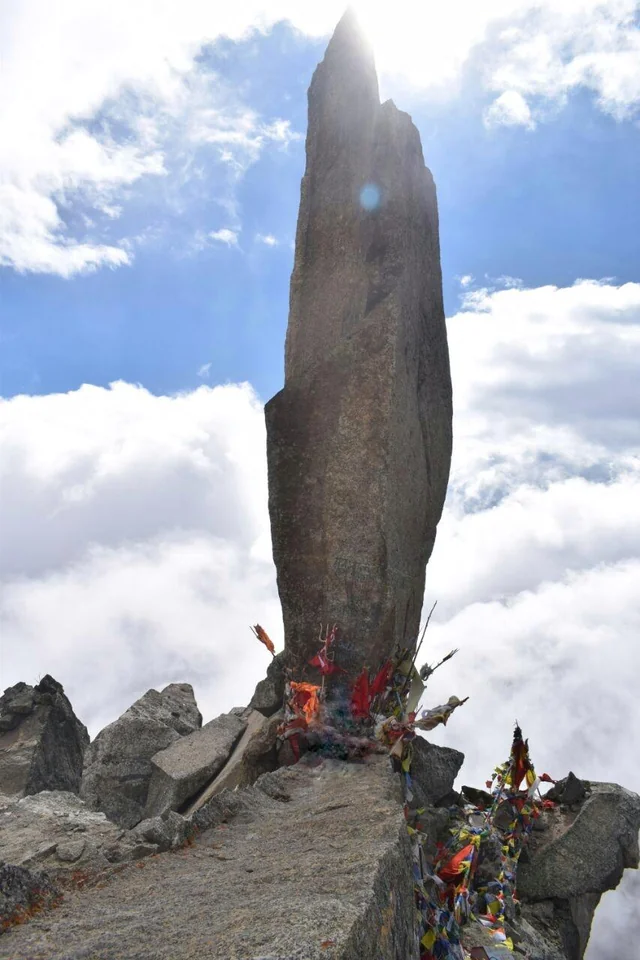
Perched at an altitude of approximately 4,800 meters, the Shivalingam isn’t just a religious symbol; it’s a landmark of “Information Gain” for any serious traveler. This monolithic rock pillar stands precariously balanced on a rock slab, appearing to defy gravity. While the main Kinner Kailash peak towers at 6,050 meters, it is this specific pillar that holds the valley’s secrets.
The Science vs. The Myth: Why the Colors Shift?
To the spiritual traveler, the color change represents the mood of Lord Shiva—a divine transformation from the purity of dawn to the mystery of the night. But for those looking through a high-resolution lens, the explanation is a fascinating blend of mineralogy and atmospheric optics.
- The Copper Dawn: Before the sun fully clears the horizon, the Shivalingam often glows with a deep, metallic copper or reddish hue. This is due to Rayleigh scattering, where the long-wavelength red light of the rising sun hits the specific crystalline structure of the rock.
- The Golden Noon: As the sun climbs, the peak shifts to a brilliant saffron or golden yellow. The high concentration of quartz and mica in the Kinnauri granite acts as a natural reflector, bouncing back the direct midday rays with intense clarity.
- The Ash Grey Dusk: As shadows lengthen, the rock transforms into a somber, slate grey or “vibhuti” (ash) color. Once the sun dips below the horizon, the peak can even appear jet black against the starlit sky.
A Photographer’s Documentation Strategy
If you’re visiting on a kalpa tour package, don’t just take a “point-and-shoot” photo. To truly document this heritage site:
- The Time-Lapse: Set up your tripod at a spot like the Kalpa View Point. A 12-hour time-lapse is the only way to truly capture the fluidity of the stone’s transformation.
- The Lens: A 200mm to 400mm telephoto lens is essential to bring the Shivalingam close enough to see the texture of the rock face.
- The Season: September and October offer the highest “atmospheric clarity,” ensuring that haze doesn’t dull the vibrant shifts from copper to gold.
Why Kalpa is the Front-Row Seat
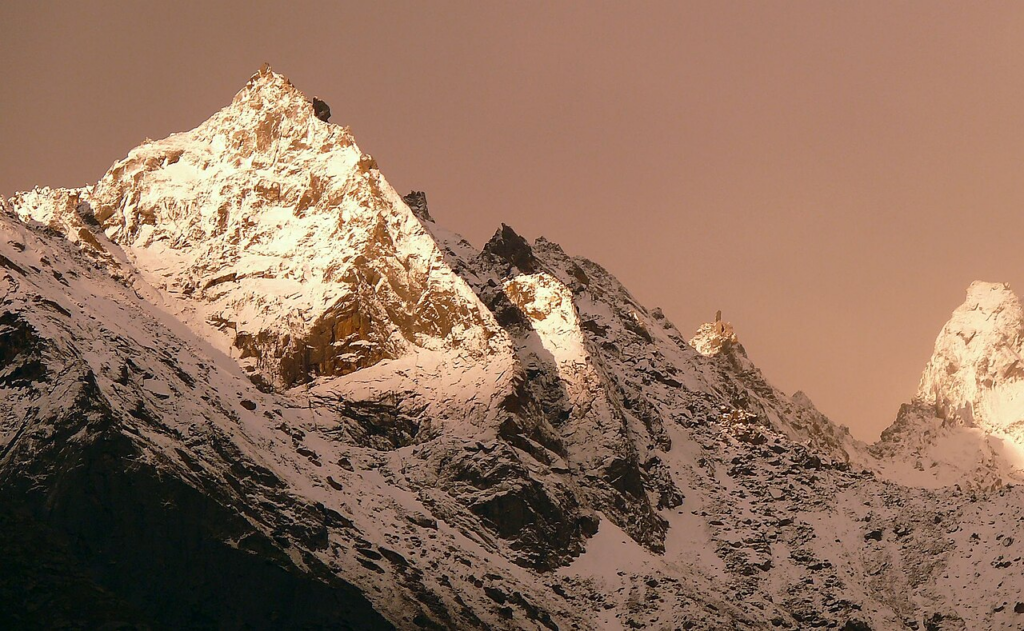
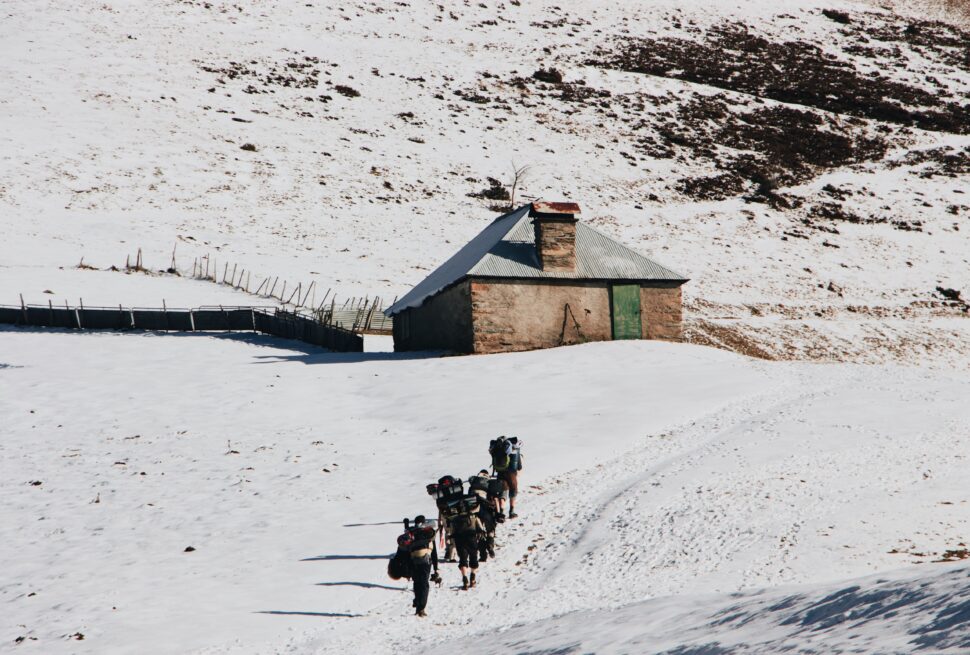
While the trek to the base of the Shivalingam is one of the toughest in the Himalayas, you don’t have to be a hardcore mountaineer to witness its magic. Kalpa is strategically positioned to provide a perfect “eye-level” view of the entire range.
Most travelers rush through Kinnaur on their way to Spiti, but the true connoisseur knows that Kalpa is a destination of its own. When choosing your kalpa tour package, ensure it includes at least two nights in the village. This allows you to track the light across the peaks twice—because, in the Himalayas, no two sunrises are ever truly the same.
Planning your 2026 mountain circuit? Whether you’re a spiritual seeker or a digital storyteller, the Kinner Kailash range is waiting to show you its true colors.